Battle
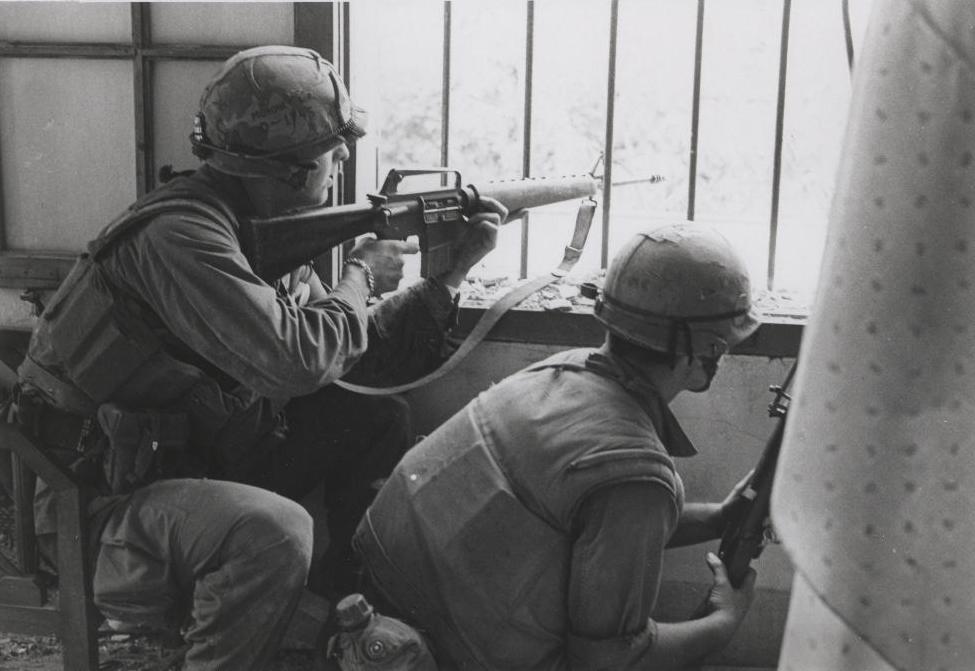
In early 1968, during the Vietnam War, the North Vietnamese launched a massive surprise attack known as the Tet Offensive. One of the most intense battles of that campaign took place in the city of Hue (pronounced “hway”) – a place that would challenge everything the U.S. Marines thought they knew about fighting in Vietnam.
On January 31, 1968, Hue was suddenly attacked by two regiments of the North Vietnamese Army – thousands of soldiers. They took over much of the city almost immediately, catching the American and South Vietnamese forces off guard.
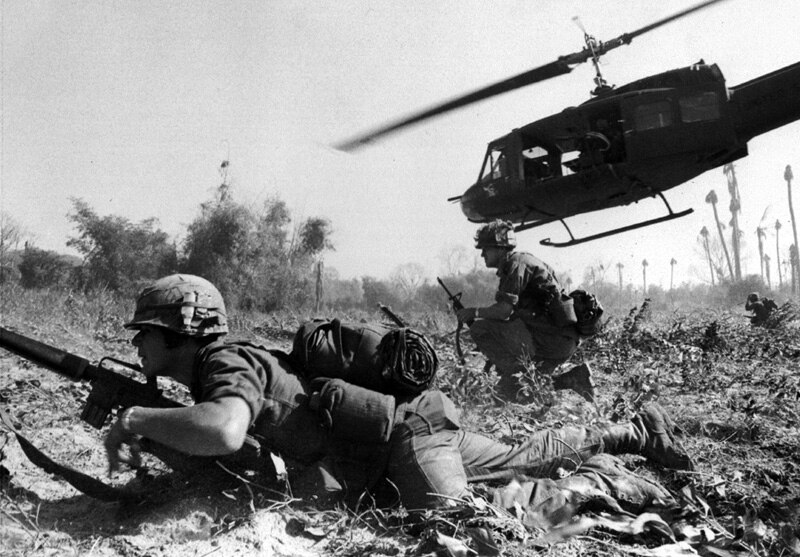
The U.S. Marines, used to fighting in open fields and jungles, were now forced into brutal urban combat, going house to house, street by street. The weather was poor, and strict rules made it hard to use airstrikes, so the Marines had to adapt quickly.
To push the North Vietnamese out, Marines began using tanks, rockets, and explosives to blow holes into enemy-held buildings. Then they would throw grenades and storm through the openings. Every block they took came at a cost – close to half of the Marines were killed or wounded. With so many leaders lost, Junior Marines – some as young as 18 or 19 – found themselves in command, making life-or-death decisions.
More than 5,000 North Vietnamese and Viet Cong fighters were killed, along with 147 U.S. Marines. More than 850 Marines were wounded, and many South Vietnamese soldiers were also killed or injured. Despite the losses, the U.S. Marines succeeded in retaking the city, with the battle ending on March 2.
Hero
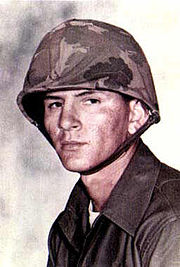
SGT Alfredo Candy “Freddy” Gonzalez
Alfredo Cantu Gonzalez was born on May 23, 1946, in Edinburg, Texas. He was an All-District football player despite his small stature. Gonzalez enlisted in the Marine Corps Reserve on June 3, 1965, and transferred to active duty a month later.
He completed a year-long tour in Vietnam as a rifleman and squad leader before returning to Camp Lejeune, where he served as an instructor in guerrilla warfare. Upon learning that an entire platoon, including several Marines who had served under him, had been killed in an ambush, he requested to return to Vietnam for a second tour. Promoted to Sergeant on July 1, 1967, he rejoined the fight that same month with Company A, 1st Battalion, 1st Marines, 1st Marine Division.
On February 4, 1968, during intense combat at the Battle of Huế, Sergeant Gonzalez was mortally wounded. For his extraordinary courage and leadership, he was posthumously awarded the Medal of Honor.
Technology
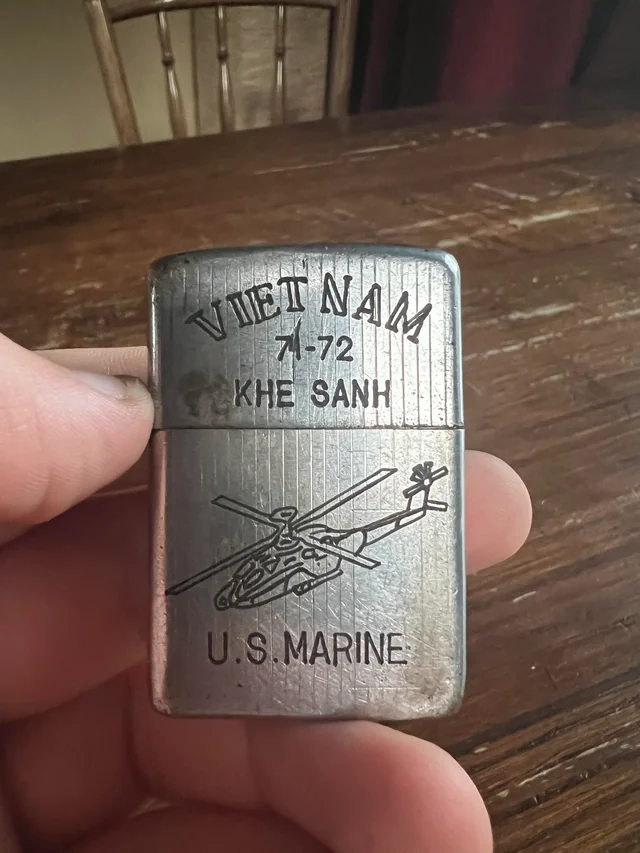
During the Vietnam War, the Zippo wasn’t just for lighting cigarettes – it was a symbol of survival, identity, and personal expression. GIs often had their lighters engraved by local vendors with custom quotes, slogans, or artwork.