WWI Historical Spotlight

Shining a Light on the Stories Behind the Sacrifice

Historical Spotlights focus on key battles from World War I, World War II, the Korean and Vietnam wars. Each includes a brief overview of the battle, the story of a hero who fought in it, and a look at a military technology that played a role. Organized by battle, these features offer an engaging way to explore the moments, people, and innovations that shaped history.
Battle

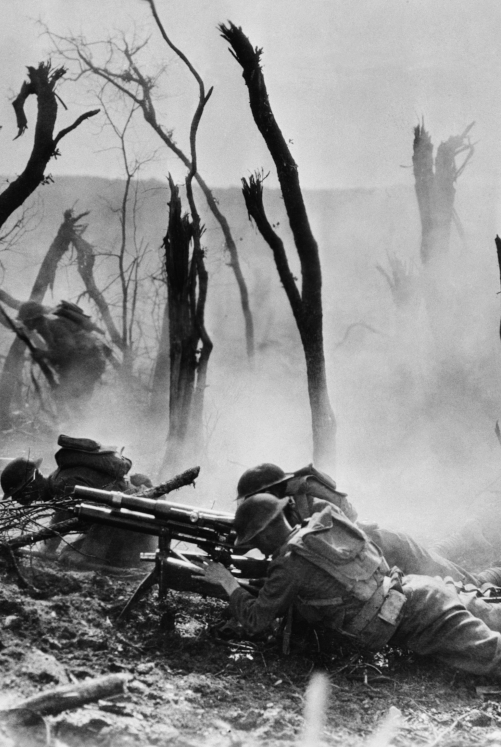
The Battle of Meuse-Argonne was the largest American battle of World War I. It was launched to break through German defenses and bring the war to an end. The fighting took place west of the Meuse River in France’s Argonne Forest, where U.S. forces, fighting alongside the French, pushed the Germans back despite heavy losses. This offensive helped force Germany into retreat and led directly to the Armistice of November 11, 1918.

Hero

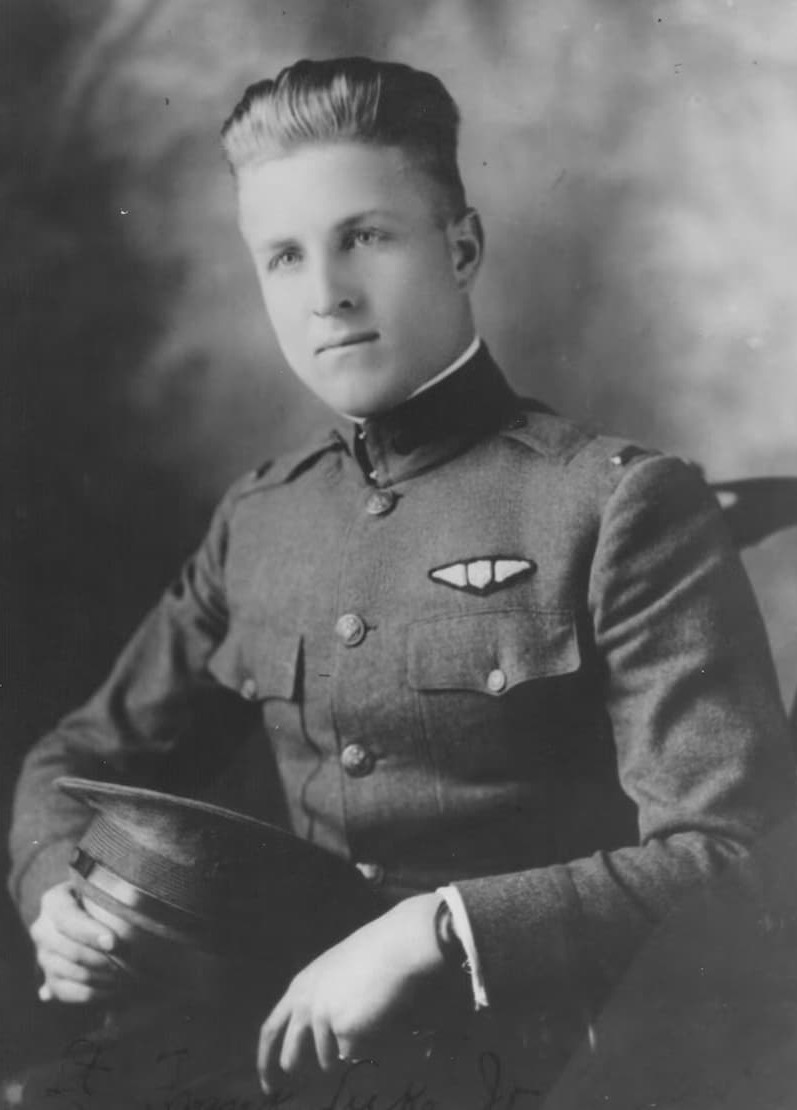
Lieutenant Frank Luke, Signal Corps

Lieutenant Frank Luke, an air fighter in the Meuse-Argonne Offensive, ended his short but extraordinary career with an act of heroism on September 29, 1918. Grounded the day before, he nevertheless took to the skies without authority. Luke destroyed three enemy observation balloons while under heavy fire and pursued by eight German planes. Severely wounded, he descended to 50 meters over the ground, killed six enemy soldiers while wounding more. Forced to land in the area surrounded by Germans demanding his surrender, he drew his pistol and fought until he was killed by a chest wound. He is buried at the Meuse-Argonne American Cemetery.

Technology

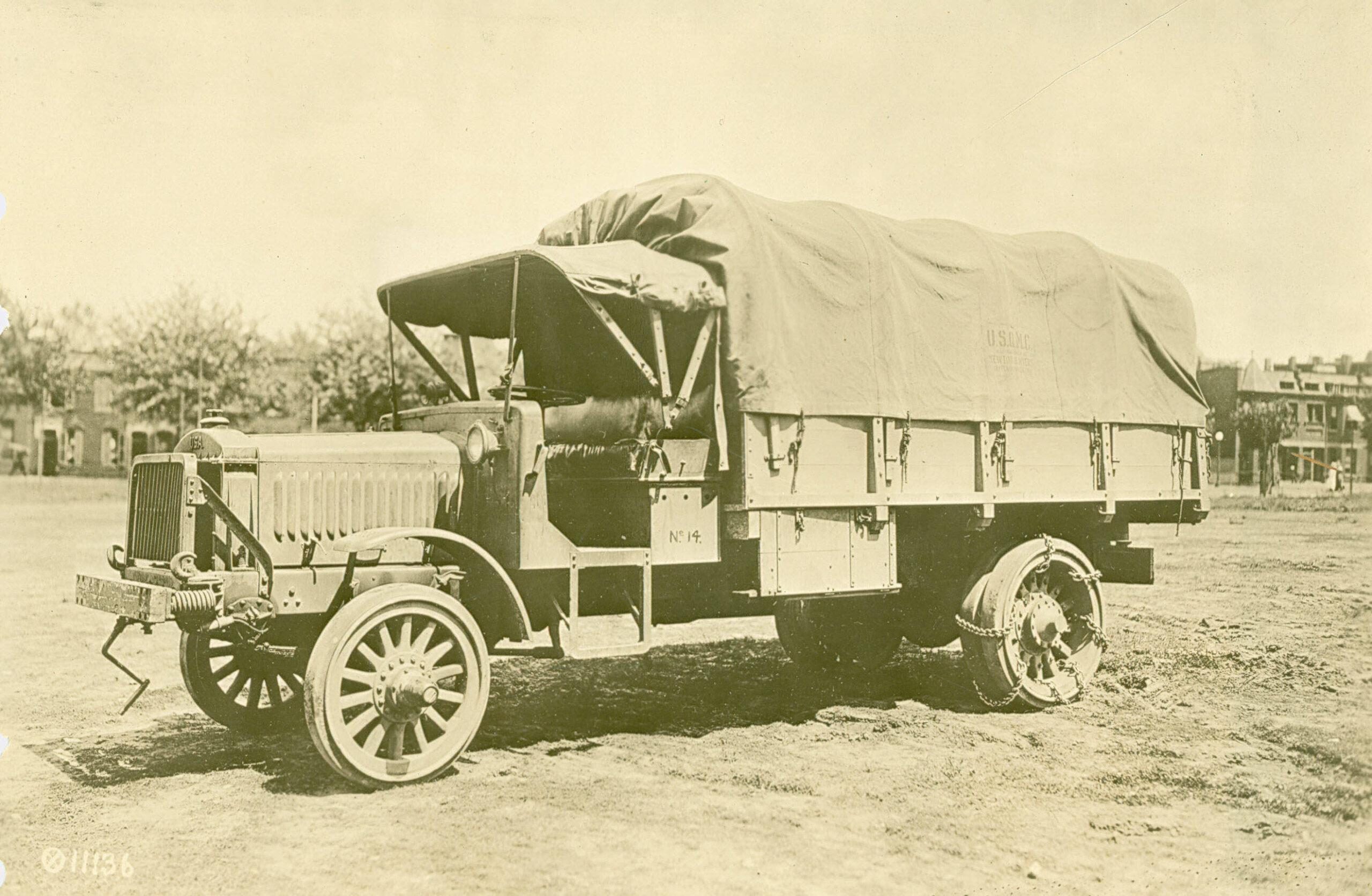
The Liberty Truck

When World War I began, most European armies moved supplies with horses, while the United States placed its faith in trucks. The challenge was that Army transport lacked consistency; by 1918, there were 294 makes and body types in service. To overcome this chaos, the Quartermaster Corps and Society of Automotive Engineers designed a single standardized vehicle, which was produced by U.S. manufacturers. More than 14,000 Liberty Trucks were built, and they were far easier to repair thanks to interchangeable parts. Liberty Trucks transformed mobility, sustaining the Meuse-Argonne Offensive of 1918 where logistics were crucial.

Battle

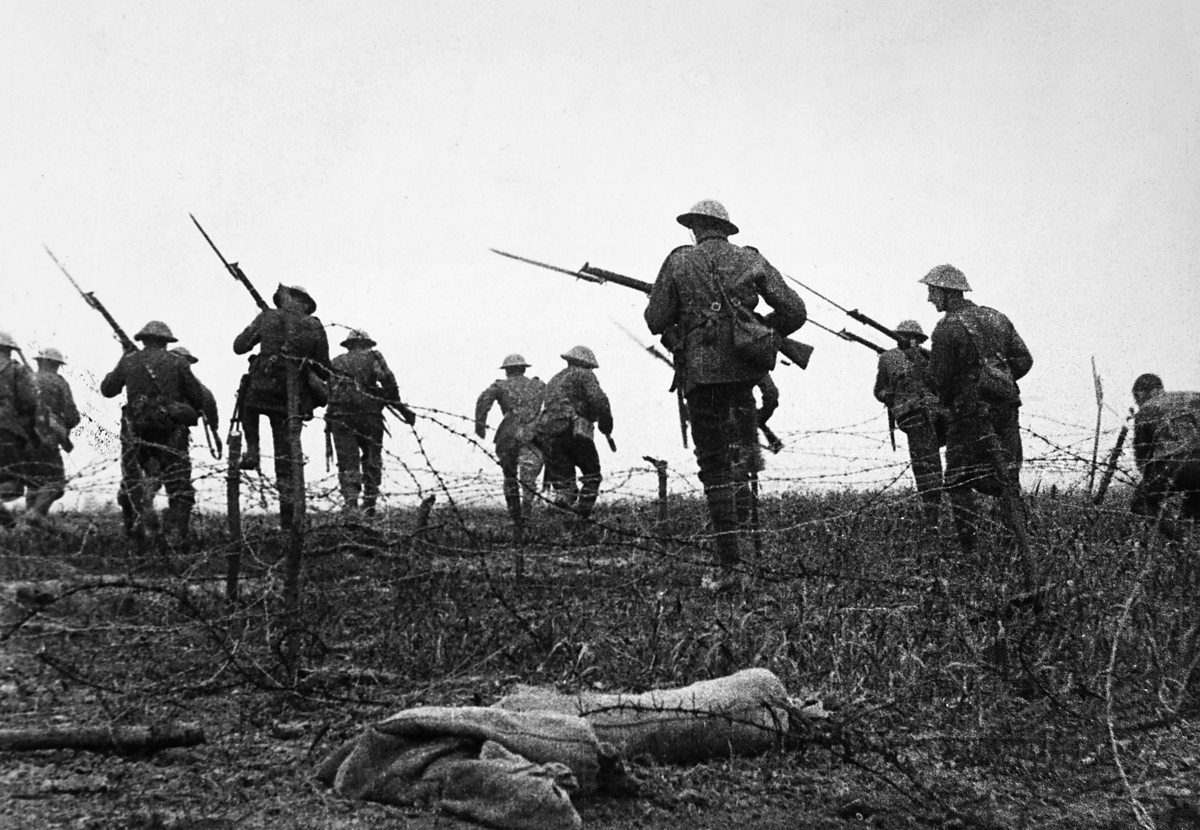
The Allies launched a massive offensive along the River Somme to counter German aggression and support the French at Verdun. British troops advanced but faced devastating German defenses. That first day became the deadliest in British military history, with more than 57,000 killed or wounded. Forces from across the British Empire joined, as well as Americans who enlisted in the Foreign Legion. At the Somme American Cemetery in France, 1,844 Americans are buried and another 333 are memorialized.

Hero

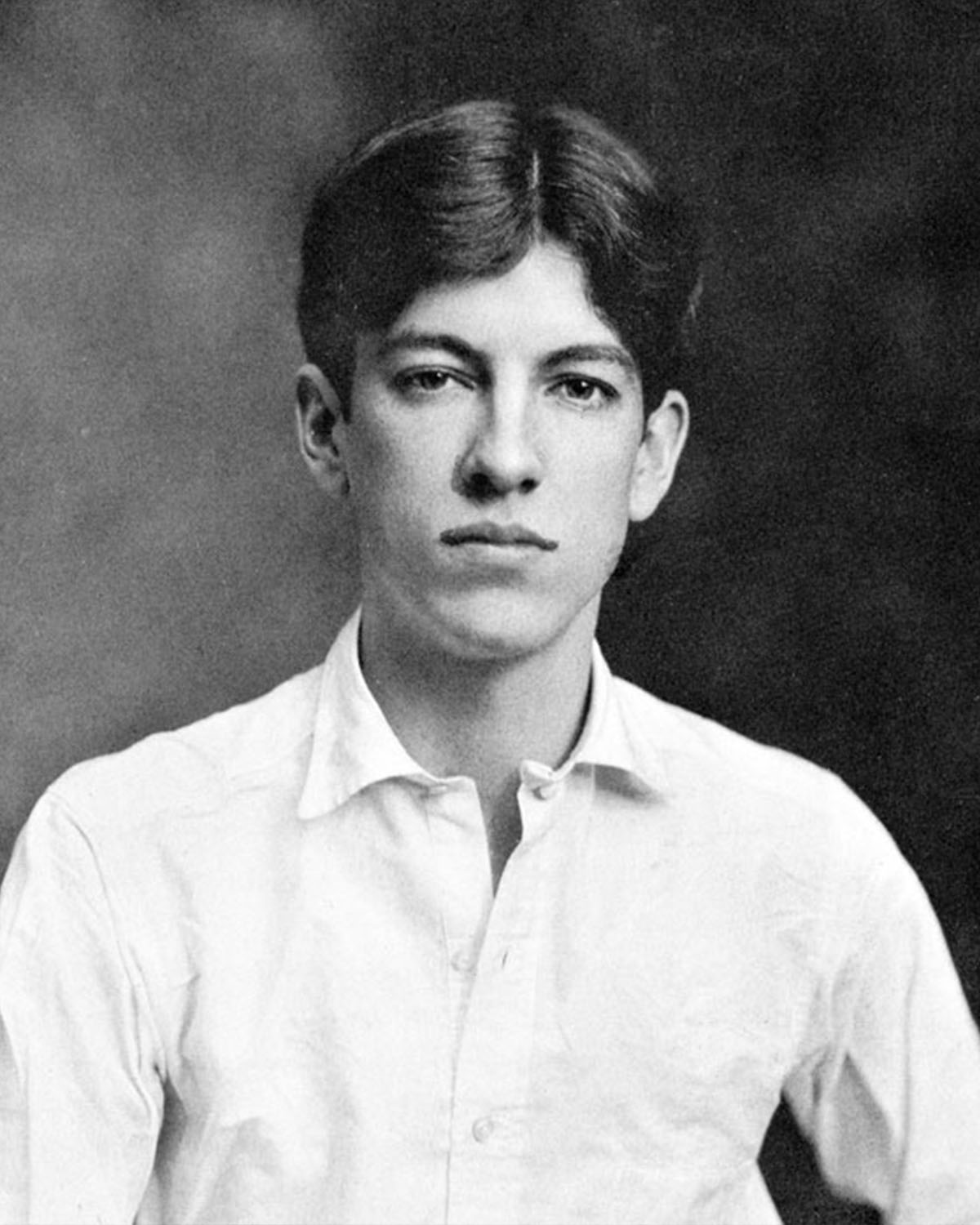
Pvt. Alan Seeger, French Foreign Legion

Though the U.S. had not yet entered World War I, some Americans, like poet Alan Seeger, volunteered to fight. He joined the French Foreign Legion in 1914. In letters home, Seeger expressed a longing for noble sacrifice, writing, “…It will be the greatest moment of my life.” That moment came during the Battle of the Somme. On July 4, 1916, Pvt. Seeger was mortally wounded by fire from six German machine guns during his unit’s assault on the village of Belloy-en-Santerre. As he lay on the ground in the final moments of his life, he was seen cheering on his comrades and singing a marching song in English.

Technology

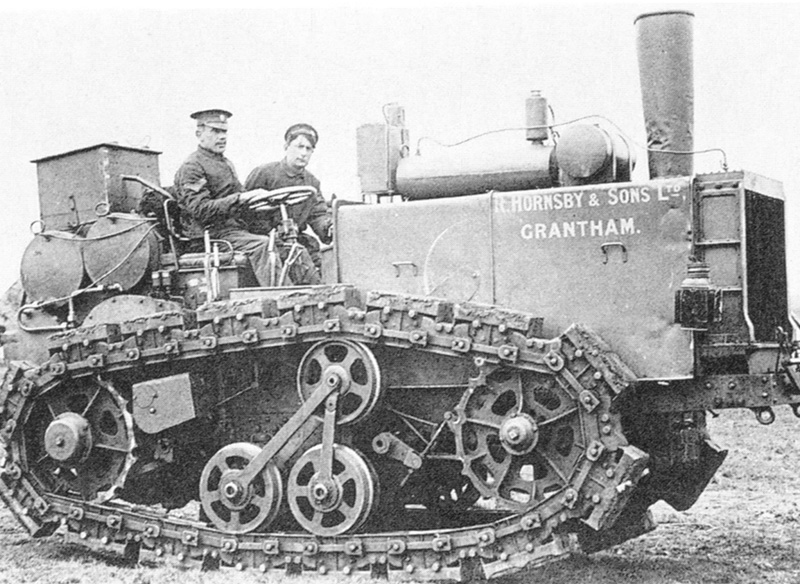
Caterpillar track

In 1916, a tank’s most distinctive feature was its rotating track, which wrapped around the entire vehicle. This continuous track design enabled it to move across difficult terrain, including trenches and barbed wire, which were key challenges in WWI warfare. Powered by an internal engine, the tracks were crucial to the tank’s mobility on the battlefield. It was this innovation that helped transform the tank from an experiment into a weapon of war.