WWII Historical Spotlight

Shining a Light on the Stories Behind the Sacrifice

Historical Spotlights focus on key battles from World War I, World War II, the Korean and Vietnam wars. Each includes a brief overview of the battle, the story of a hero who fought in it, and a look at a military technology that played a role. Organized by battle, these features offer an engaging way to explore the moments, people, and innovations that shaped history.

European Theater

Battle

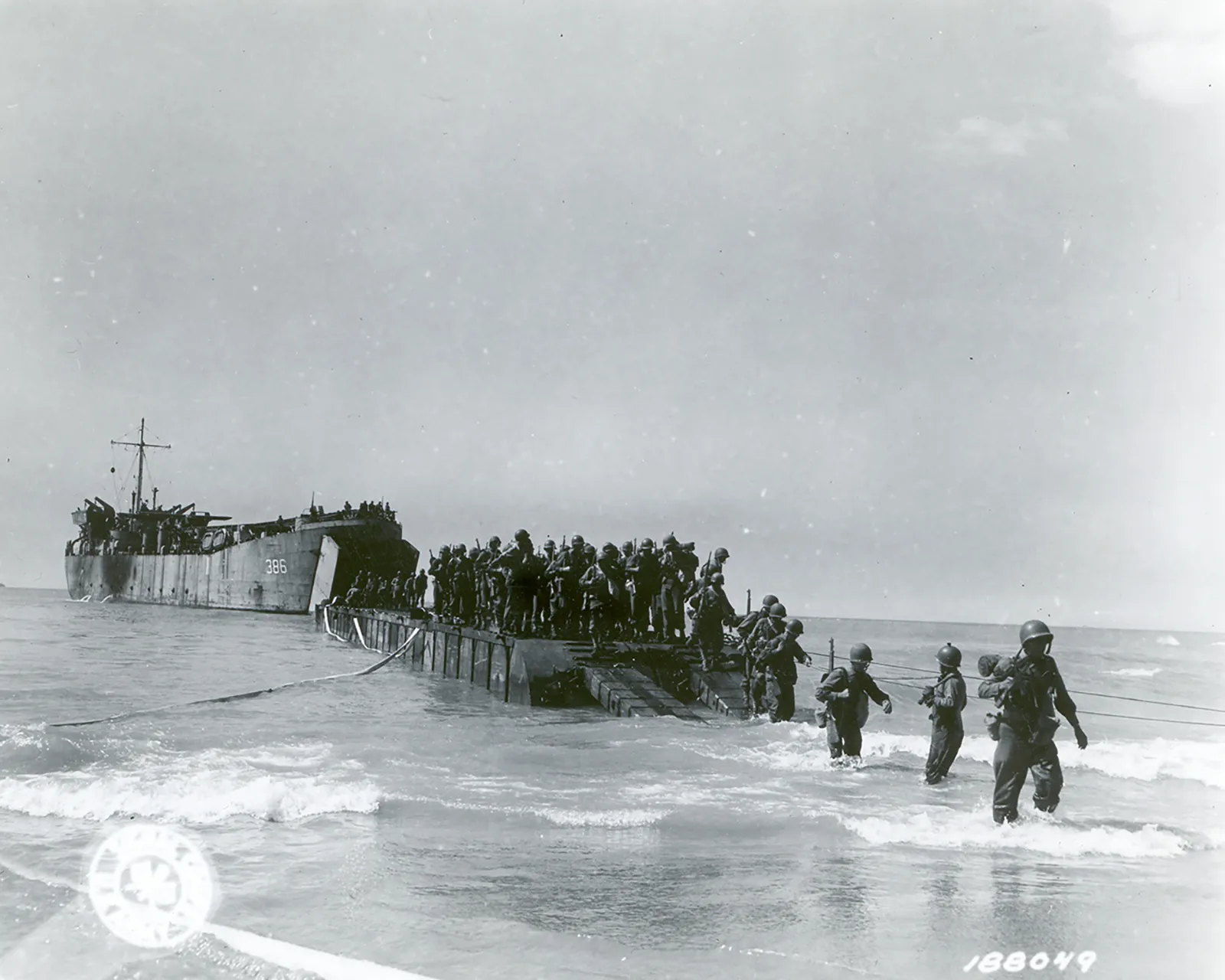
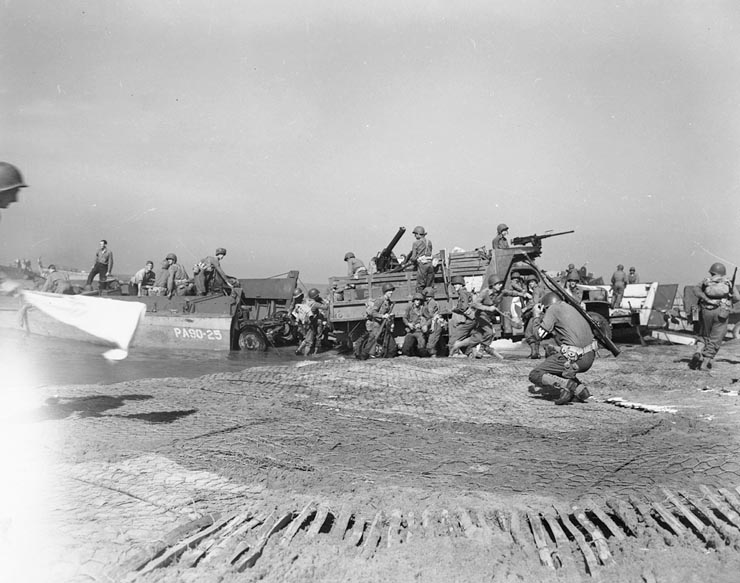
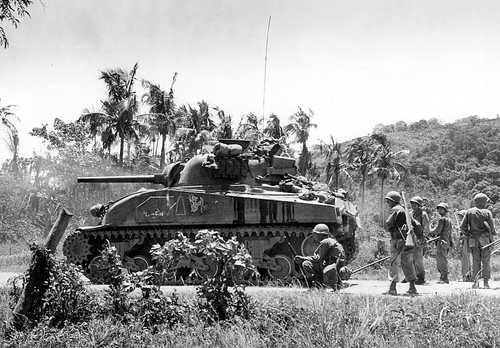
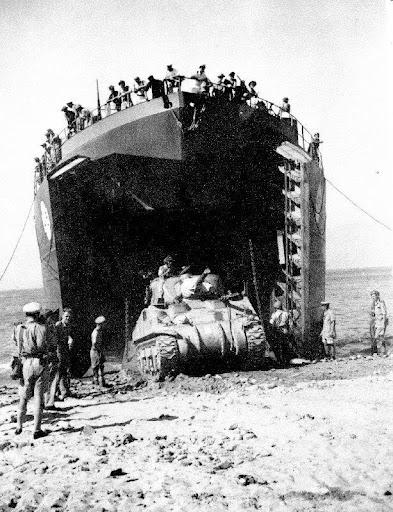
The Allied Invasion of Sicily, codenamed Operation Husky, significantly weakened the Axis powers, resulting in about 165,000 total casualties. The Allies sustained about 23,000 casualties. The success of the invasion prompted Italian leaders to seek peace with the Allies, leading to the collapse of Benito Mussolini’s fascist regime and the beginning of negotiations for Italy’s surrender.

Hero

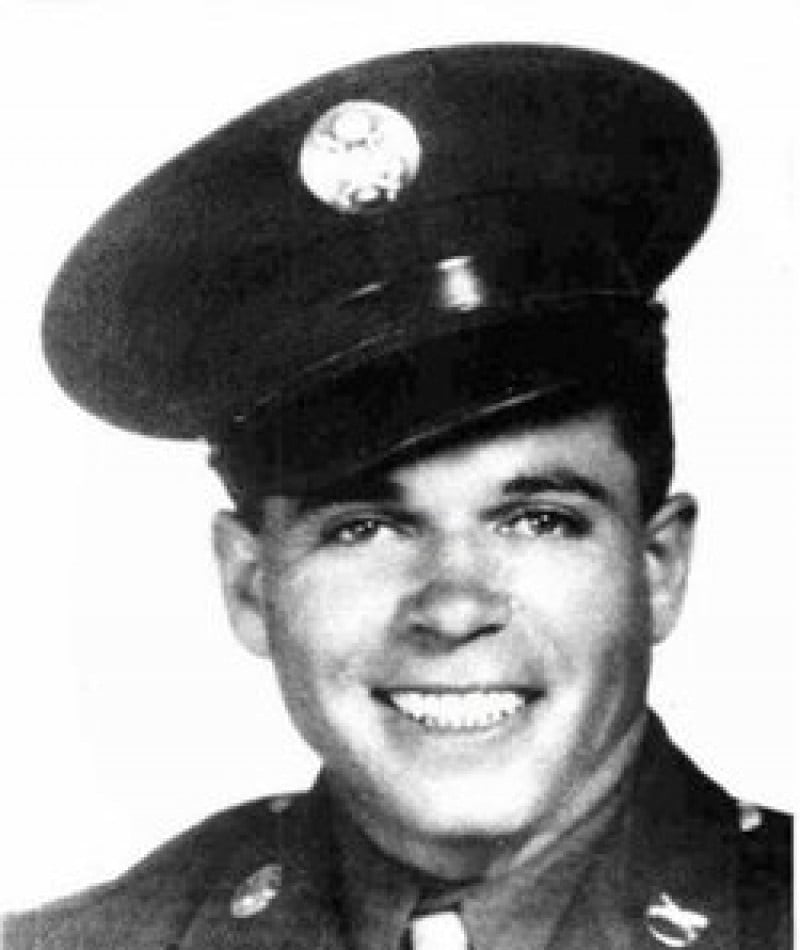
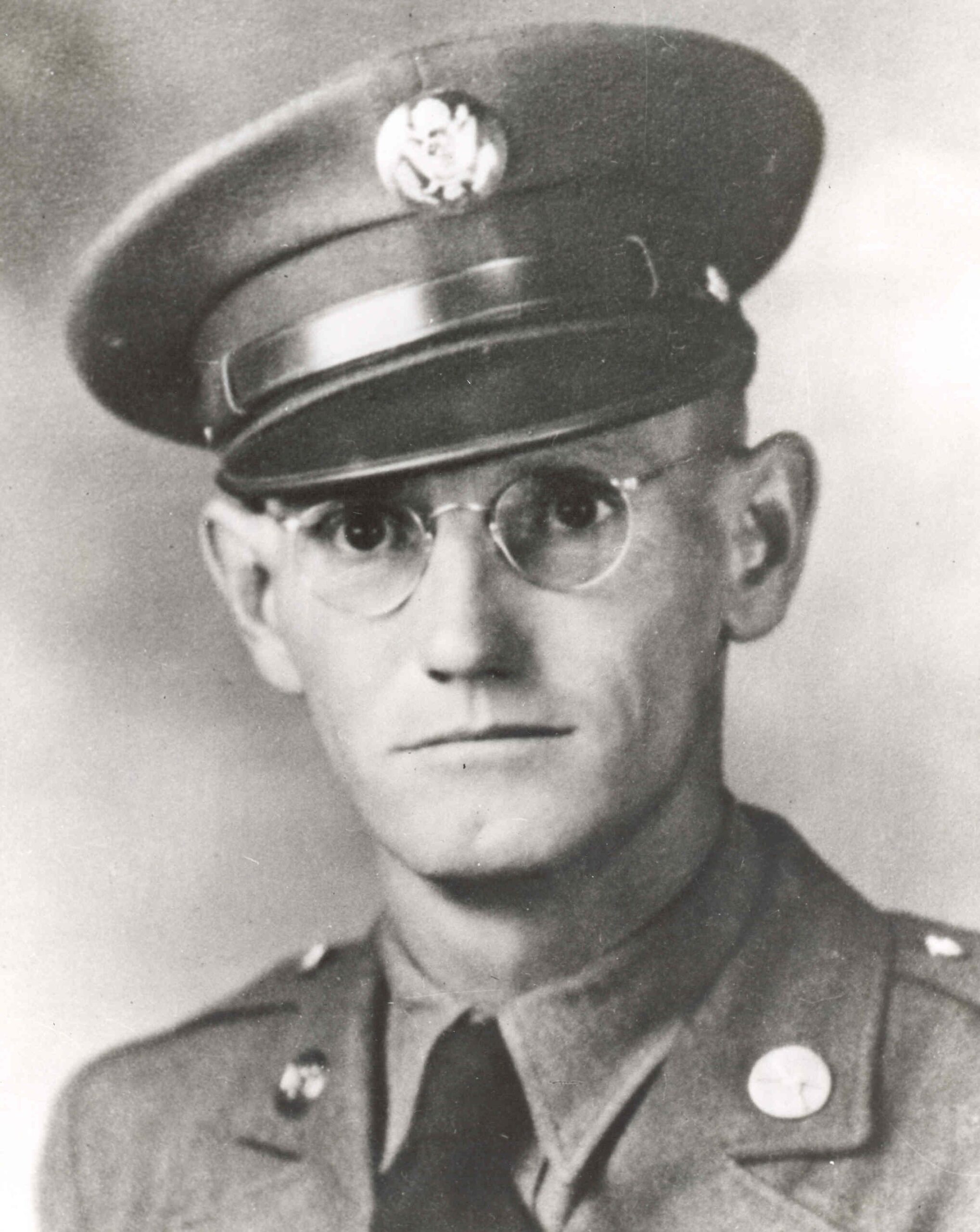
Sgt. Roy W. Harmon

In the face of heavy enemy fire during World War II, Sgt. Harmon, acting as a squad leader, bravely led his men to rescue a beleaguered platoon pinned down by German machine-gun positions. He launched a one-man assault, utilizing white phosphorus grenades and a submachine gun to neutralize the enemy positions. Despite being wounded multiple times, Sgt. Harmon pressed on, destroying two machine-gun emplacements before ultimately sacrificing himself to eliminate the third, saving the platoon from annihilation.

Technology

Douglas C-47

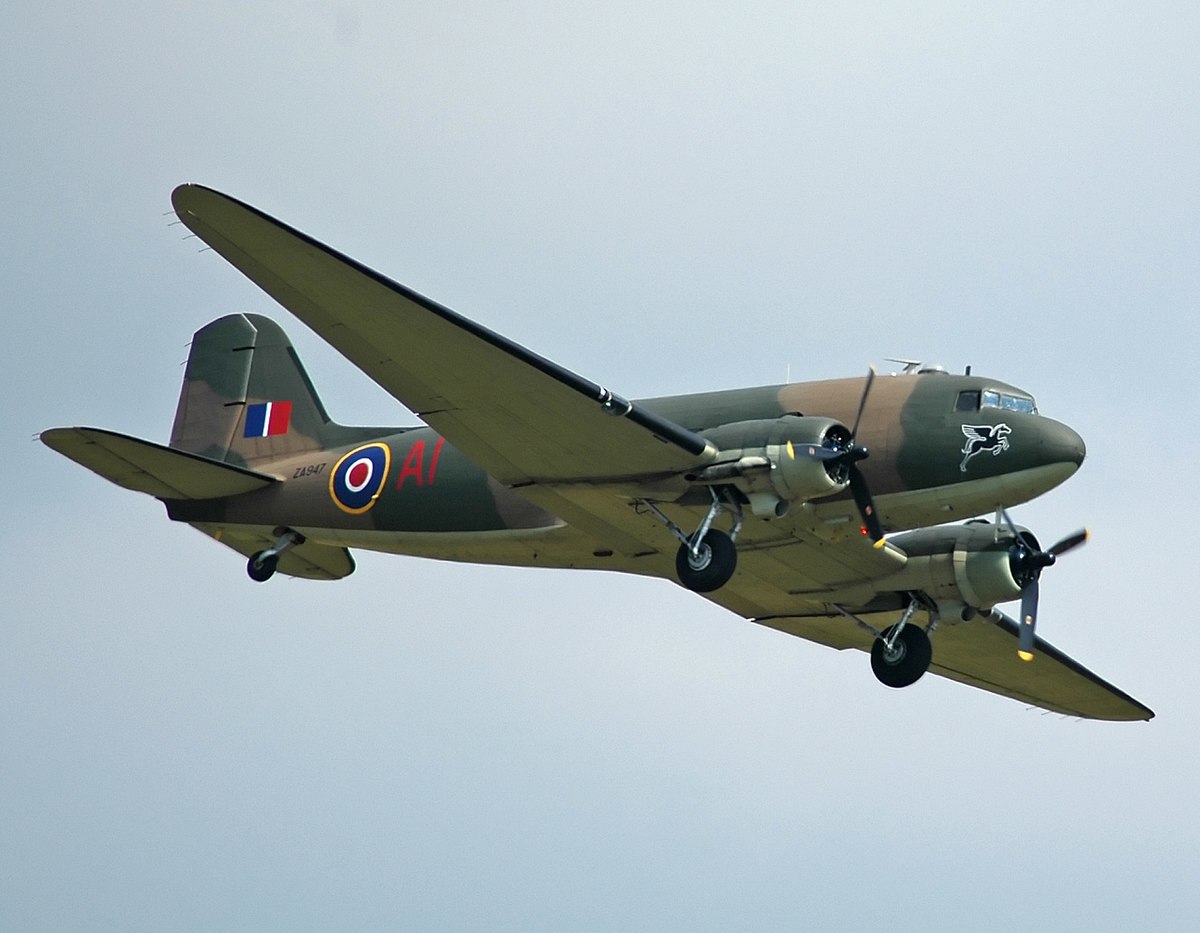
The Douglas C-47, a versatile transport aircraft, was used extensively during World War II and beyond. Serving in all theaters of the war, it was used for cargo transport, troop transport, paratroop drops, glider towing, and medical evacuation. The C-47 played a crucial role in numerous operations, including Operation Husky and the D-Day invasion. Its rugged construction and ease of maintenance made it a favored choice among aircrews and contributed to its status as one of the most important transport aircraft of the war.

Battle

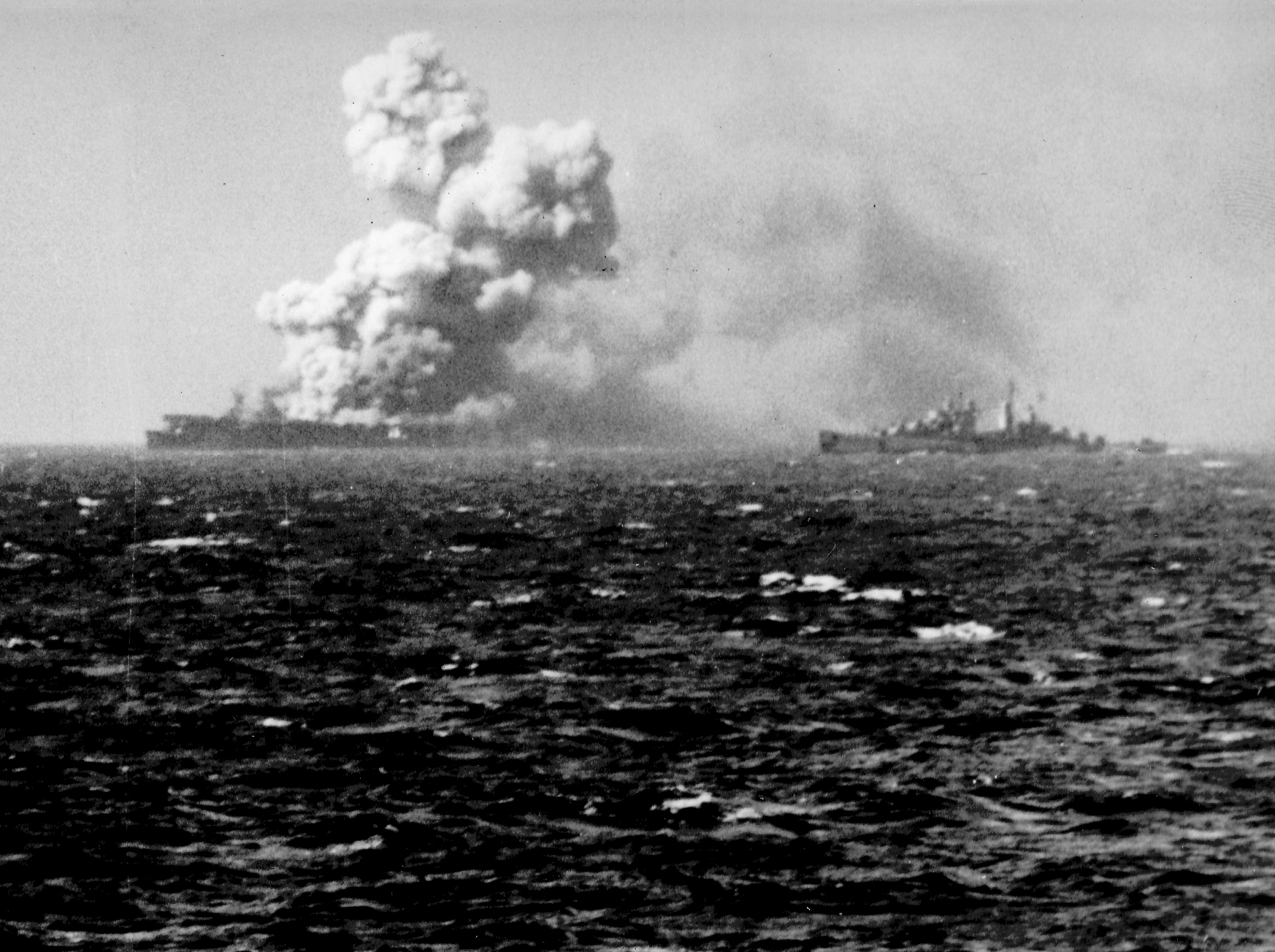
The primary invasion at Salerno (Operation Avalanche) aimed to weaken German defenses ahead of the Normandy landings. Despite intense obstacles, such as mine clearance and heavy German defenses, the Allies eventually secured a foothold. Naval gunfire played a crucial role, and new German weapons inflicted significant damage on Allied ships. The battle saw high casualties, but the successful invasion marked a key step in the Italian Campaign, demonstrating the value of coordinated Navy-Army operations.

Hero

S/Sgt. George D. Keathley

S/Sgt. Keathley showed exceptional bravery on the western ridge of Mount Altuzzo, Italy, when his company was halted by intense enemy fire. After all the officers were wounded or killed in action, he took command of two platoons. Crawling under fire, he collected ammunition from fallen soldiers, gave first aid, and encouraged his men. Keathley was wounded by a grenade. He continued to fight and lead for 15 minutes, inspiring his men to hold their ground, and died shortly after. Keathley was posthumously awarded the Medal of Honor. He is buried at the Florence American Cemetery.

Technology

The Mark 12 5″/38-caliber gun
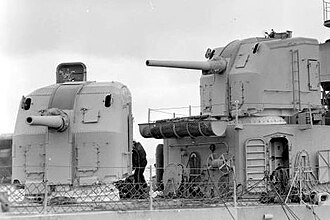
The American-made 5″/38 caliber naval gun was used on nearly every major U.S. warship from 1934 to 1948. It played a key role in operations like the Salerno landings, providing crucial naval gunfire support. This gun could fire up to 15.9 km (9.8 miles)—53 times the length of the Eiffel Tower. The gun was loaded by hand but used a power-assisted mechanism to push the shells into place, which allowed it to fire quickly. It could also be loaded no matter how high or low it was aimed, making it very effective against both aircraft and surface targets.

Battle

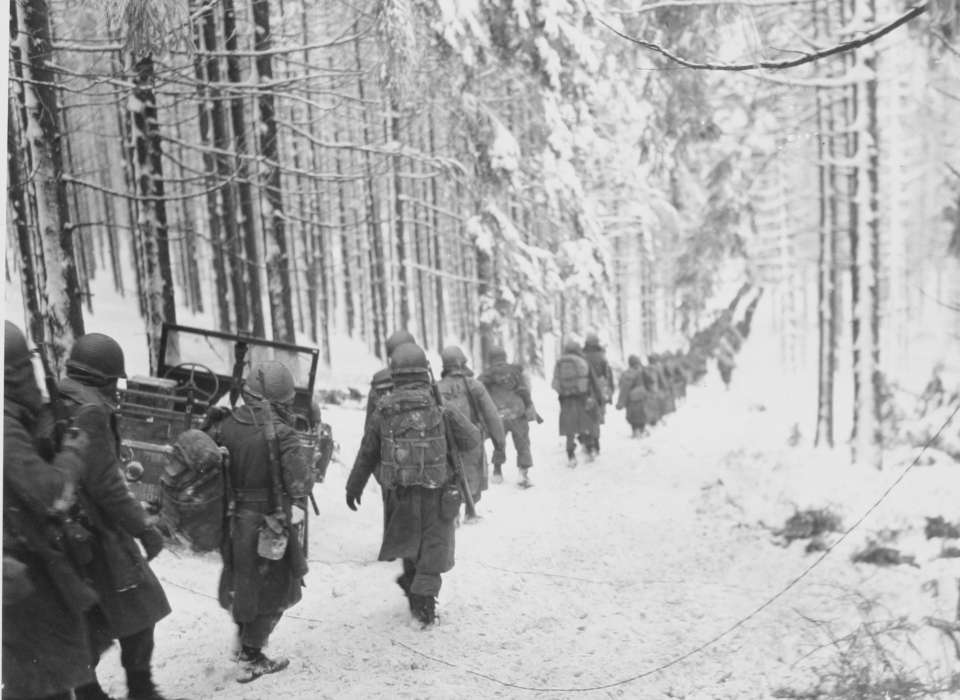
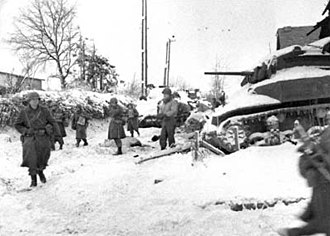
The German Army launched its last major offensive of WWII, often called the Battle of the Bulge, with 200,000 troops and 1,000 tanks along a 75-mile stretch of the front in the Ardennes, covering parts of Belgium, France, and Luxembourg. Isolated American units stood their ground heroically, and ultimately, with reinforcements and counterattacks, the Allies took control. It was the largest and bloodiest single battle fought by the U.S. in WWII. The ABMC Battle of the Bulge Monument in Bastogne, Belgium keeps alive the memory of the 76,980 American soldiers who gave their life or were seriously injured or missing during this six-week battle for the liberation of Belgium.

Hero

T/4 Truman Kimbro, Army

On December 19, 1944, Technician Fourth Grade Kimbro led a mission to mine a vital crossroads near Rocherath, Belgium during the Battle of the Bulge. After discovering it was occupied by an enemy tank and infantry, he made two failed attempts under heavy fire. T/4 Kimbro left his squad in safety and crawled alone with mines toward the objective. His body was riddled with rifle and machine-gun fire, but he pressed on, laying the mines before being fatally struck by enemy fire. His heroic actions delayed the enemy, protecting withdrawing American forces. T/4 Kimbro was posthumously awarded the Medal of Honor. He is laid to rest at the Henri-Chapelle American Cemetery in Belgium.

Technology

M-1941 Tent Stove

This portable stove was a crucial technology for heating inside tents or small enclosed spaces. Made of steel, it burned wood or coal and was used for both warmth and limited cooking when soldiers were not in active combat zones. It was first introduced in early 1942 and became widely used by American troops during WWII.

Battle

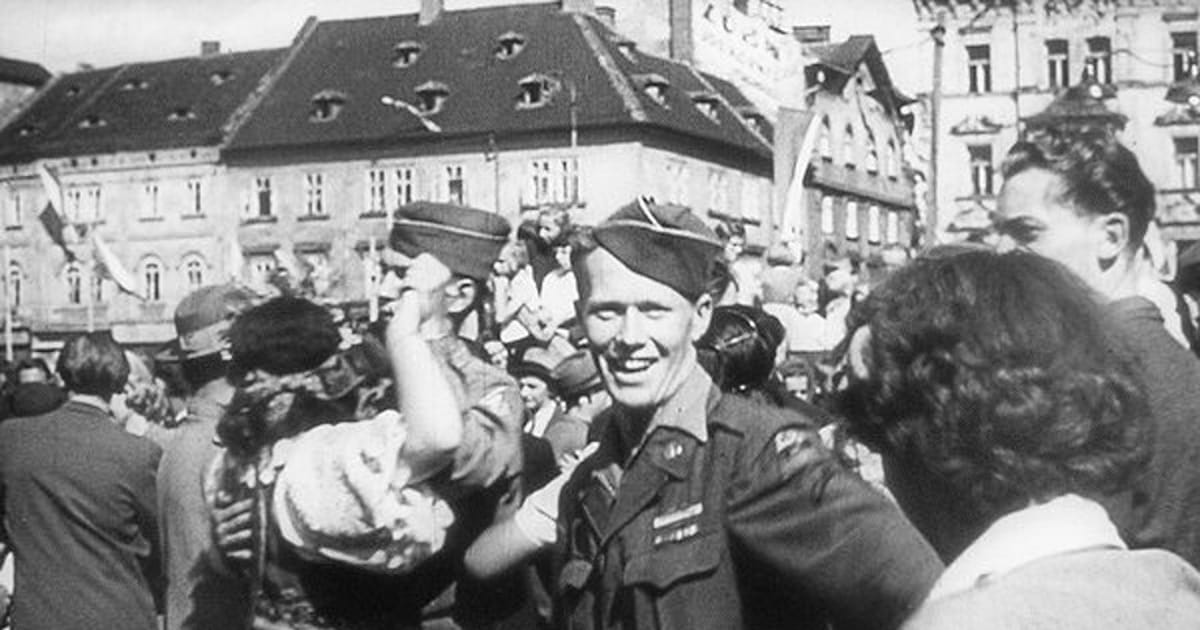
By early May 1945, Nazi Germany was collapsing, but American troops were still fighting. As the U.S. Third Army continued its eastward advance into western Czechoslovakia, they liberated towns like Cheb, Domazlice, and Pilsen, often greeted by cheering civilians waving Czech and American flags. On May 6, the city of Pilsen was liberated by the U.S. 16th Armored Division, marking one of the last major advances by American forces in Europe.

Hero

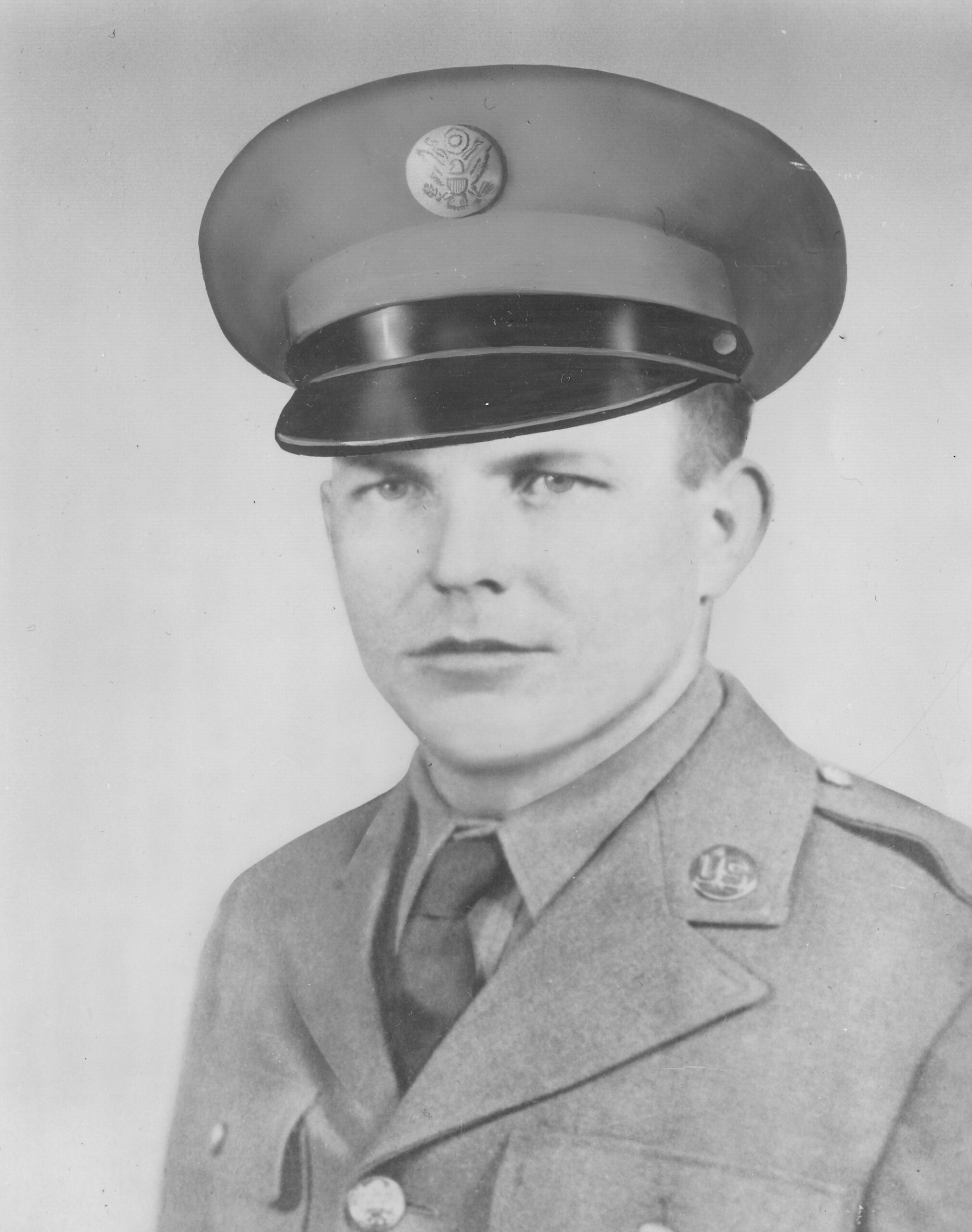
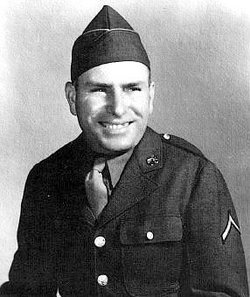
Pfc. Charley Havlat, U.S. Army

Born in Nebraska to Czech immigrants, Pfc. Charley Havlat found himself in his parents’ homeland in May 1945. On the morning of May 7, Havlat’s reconnaissance platoon was ambushed by German forces just 12 kilometers into Czechoslovakia. Pfc. Havlat was fatally shot in this skirmish. Havlat’s death came just six hours before Germany’s unconditional surrender, making him the last American combat casualty in the European Theater of World War II. He is buried at the Lorraine American Cemetery in France.

Technology

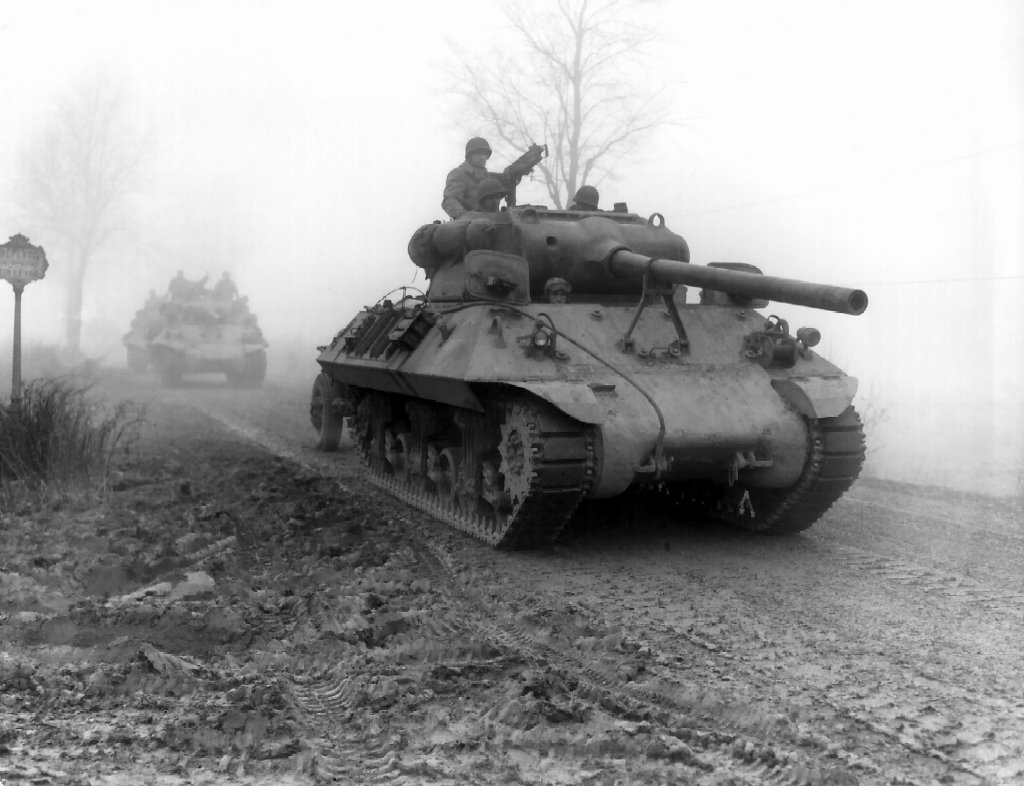
M36 Jackson

Formally known as the 90mm Gun Motor Carriage M36, this tank destroyer was armed with a powerful 90mm gun, capable of taking out German tanks at long range. In at least two recorded instances, M36 crews destroyed enemy tanks from more than two miles away. The Jackson was a major leap forward in U.S. anti-tank warfare. In May 1945, the Jackson was used with the purpose of escorting infantry, clearing paths, and helping to liberate communities in the final days of World War II.

Pacific Theater

Operation

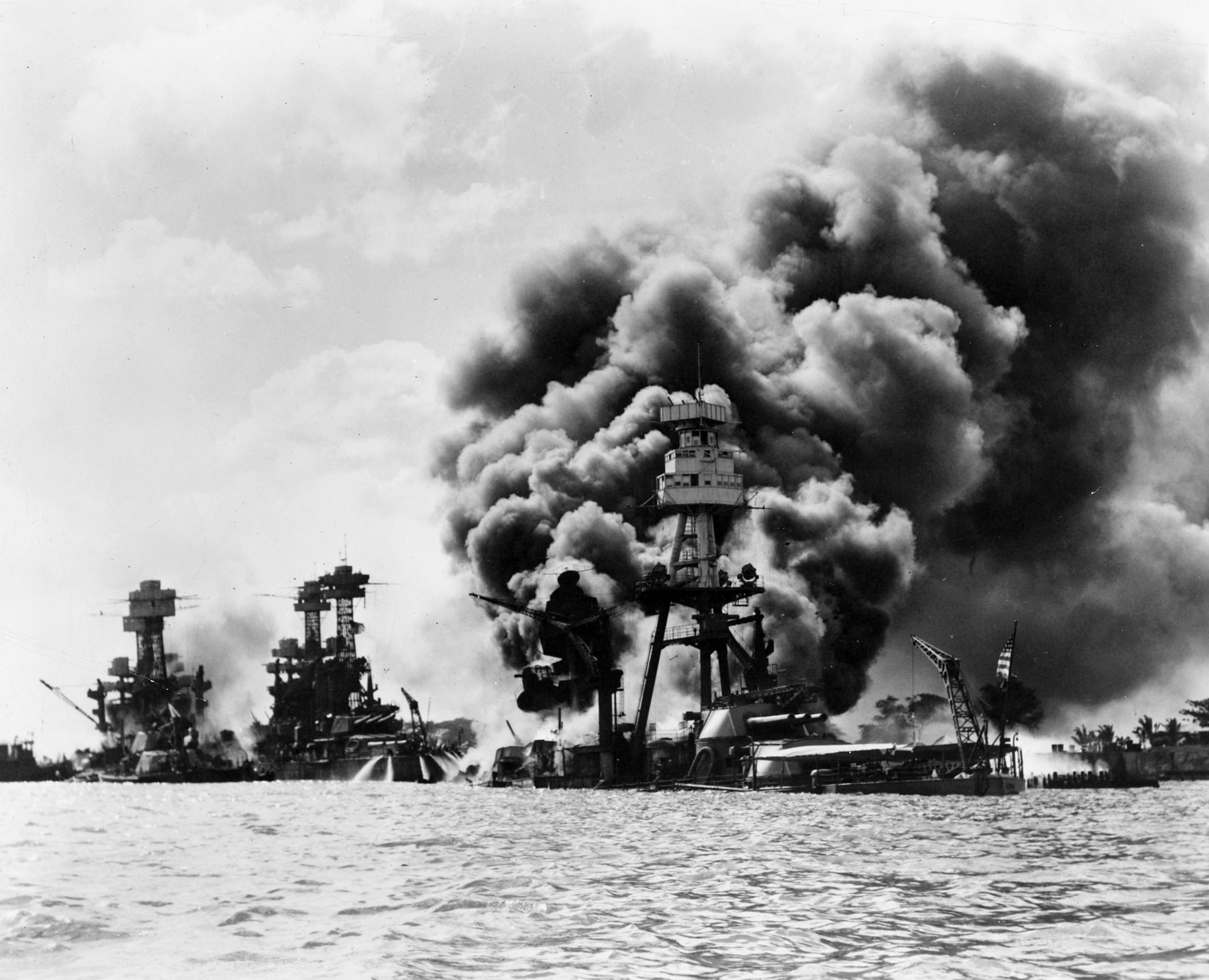
On December 7, 1941, Japan launched a surprise attack on the U.S. naval base at Pearl Harbor, Hawaii, striking battleships, airfields, and military installations in an effort to cripple the U.S. Pacific Fleet and secure Japan’s expansion in Asia. The assault lasted under two hours and left 2,403 Americans dead and more than a thousand wounded, with numerous ships sunk or damaged and nearly 200 aircraft destroyed. Though devastating, the attack failed to eliminate key U.S. carriers and repair facilities. The next day, the United States declared war on Japan, bringing America fully into World War II.

Hero

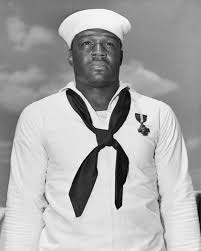
Ship’s Cook Third Class Dorie Miller

Doris “Dorie” Miller was a U.S. Navy sailor who became the first Black recipient of the Navy Cross for his heroism at Pearl Harbor. When the Japanese attacked on December 7, 1941, he had been doing laundry below deck on the USS West Virginia. He rushed to help, carried wounded shipmates including the mortally wounded Captain Mervyn Bennion to safety, then took position at a .50 calibre anti-aircraft gun he was not trained to use and fired at the attacking aircraft until the ammunition ran out. Miller continued to serve in the Pacific and was killed at the age of 24 when the escort carrier Liscome Bay was sunk by a torpedo in November 1943.

Technology

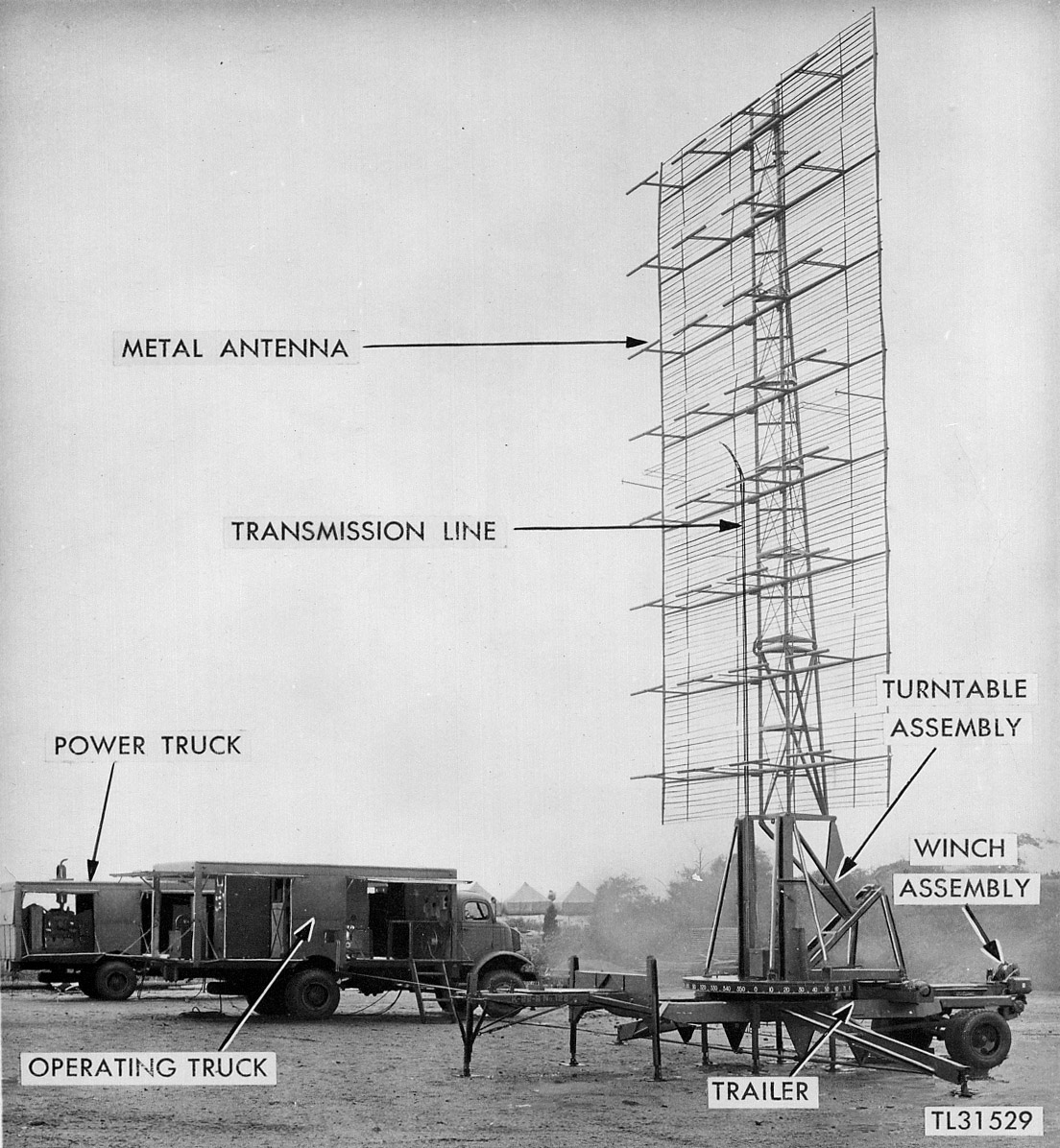
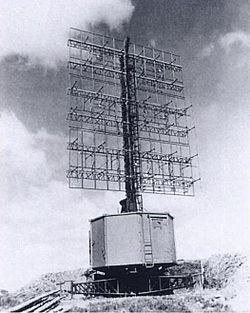
SCR-270 Radar Station

In the 1930s, the SCR-270 was a new early-warning radar made by the U.S. Army Signal Corps, with major parts built by Westinghouse and RCA. The system used radio waves to spot aircraft more than 100 miles away, and although it required several trucks to operate, it was considered state-of-the-art for its time. What made the SCR-270 special was its ability to see large groups of planes long before they could be spotted by eye – something few nations could do then.

On the morning of December 7, 1941, two U.S. soldiers operating this radar at Opana Point, Oahu, Hawaii, detected the massive formation of Japanese aircraft heading toward Pearl Harbor. Their warning was misunderstood and dismissed, so no action was taken. In spite of this, the SCR-270 became famous for showing radar efficiency and this technology played a major role in World War II.

Battle

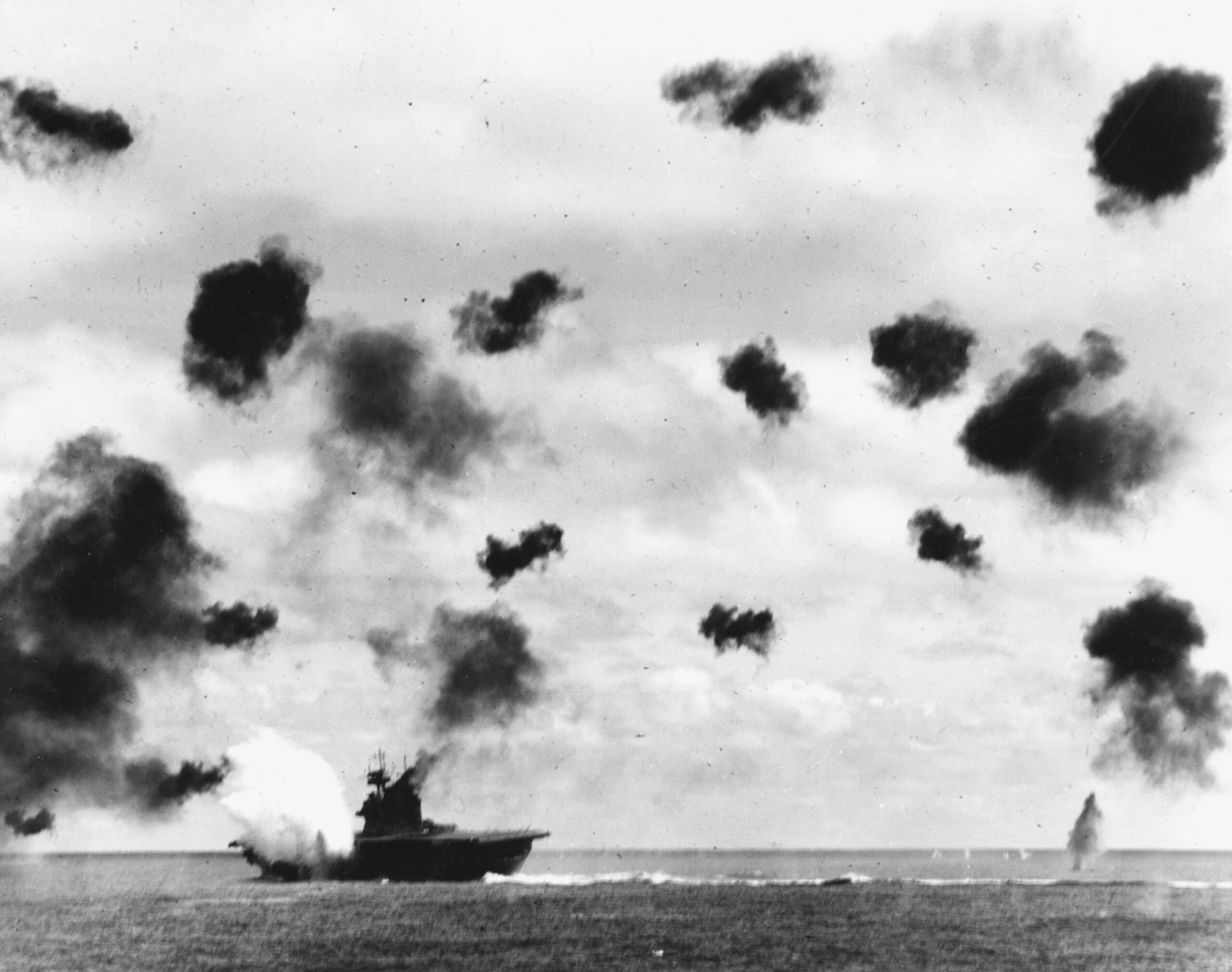
Japan set its sights on Midway. If they captured it, they could cripple U.S. defenses in the Pacific Theater of World War II. To confirm Midway was Japan’s target, U.S. cryptographers planted a false message about a fresh water shortage on the island. When Japan mentioned it in their encrypted transmissions, the trap was set. When Japan launched its attack, American forces were ready. Bombers struck back with force, sinking four Japanese aircraft carriers. Japan was forced to retreat: this was a major turning point in the Pacific Theater.

Hero

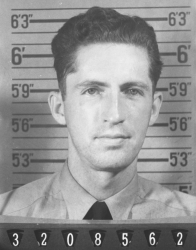
ACRM James Wilbur Adams

ACRM Adams was serving with Patrol Squadron 44 during the Battle of Midway. On June 4, 1942, his PBY-5A Catalina aircraft was on a reconnaissance mission when it was attacked by Japanese floatplanes. The aircraft was hit, caught fire, and crash-landed in the ocean. While the plane was burning and under enemy fire, ACRM Adams remained at his radio station, continuing to transmit vital information rather than focusing on escape. His transmissions played a key role in the later rescue of surviving crew members. After the crash, Adams made it out of the aircraft, but he became separated from the others in the open ocean. He was never found. He is remembered at the ABMC Honolulu Memorial.

Technology

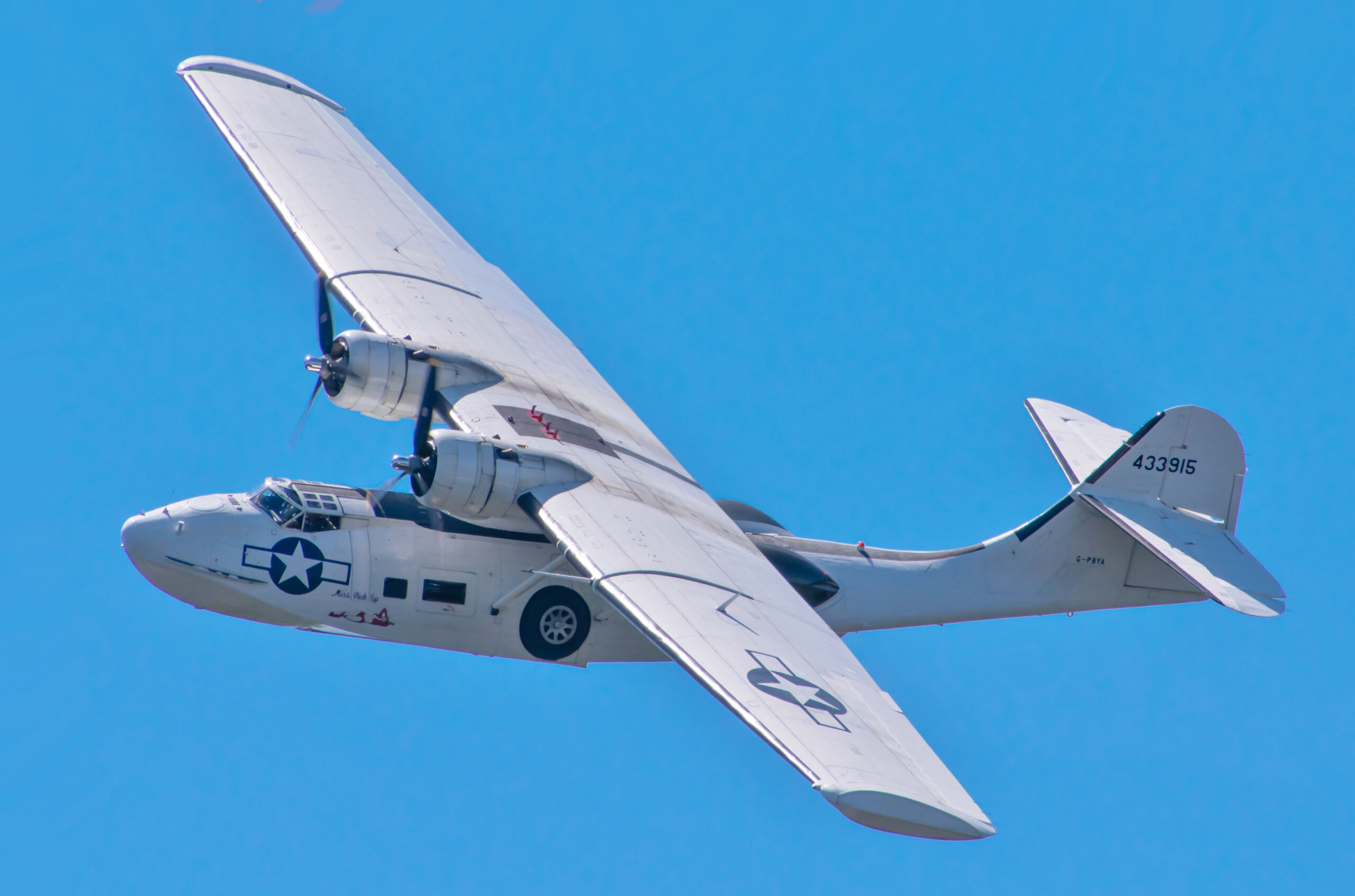
PBY-5A Catalina

The PBY-5A Catalina was a versatile patrol aircraft used during World War II. It was designed to take off and land on both water and the ground, thanks to its amphibious design with retractable landing gear. It was large and built for long missions. The Catalina could fly more than 2,500 miles without refueling. It was armed with bombs or torpedoes under the wings, as well as multiple machine guns for defense. In the Battle of Midway, the Catalina was used for spotting enemy ships and search and rescue missions.

Battle

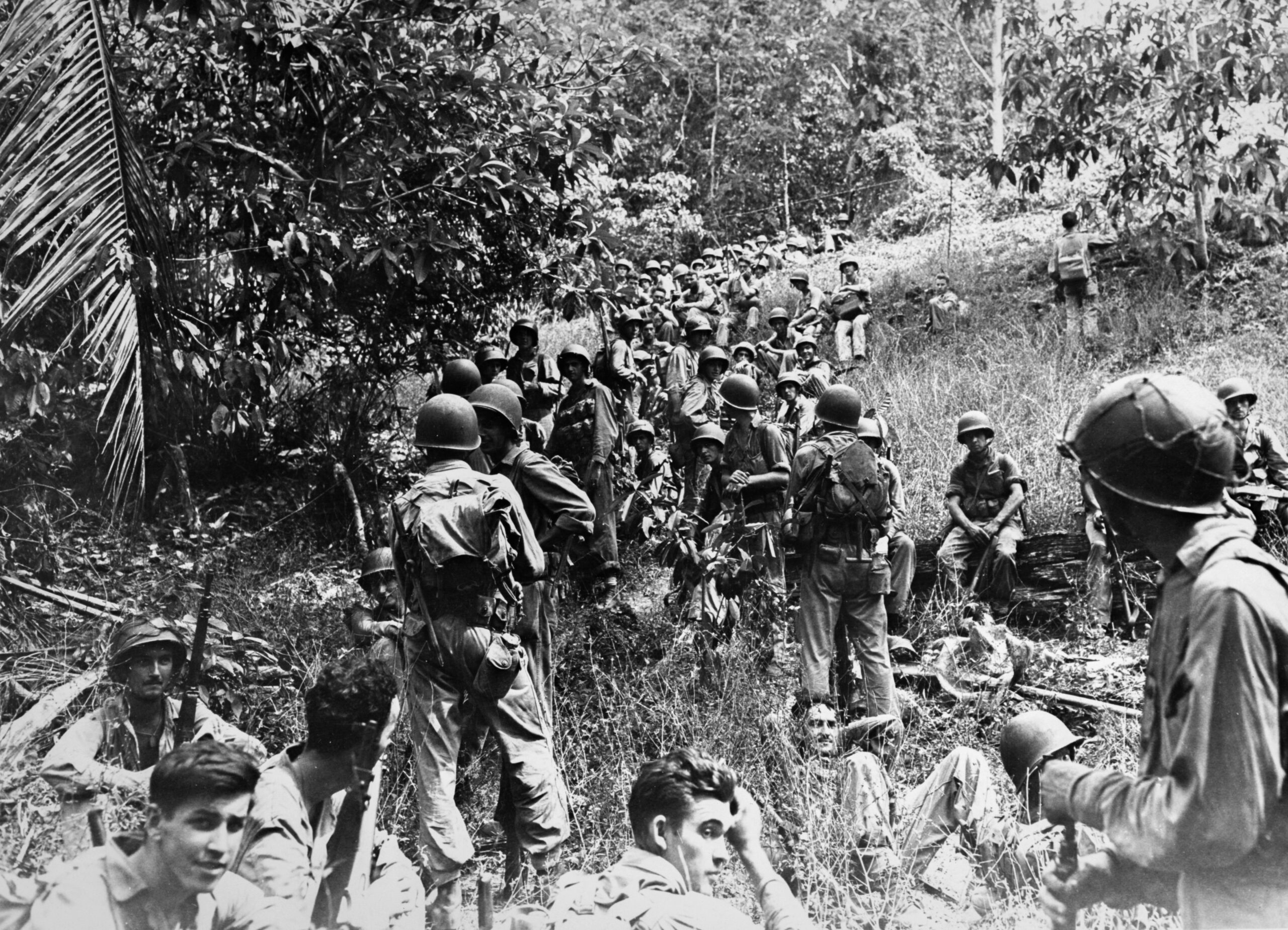
Following a significant American victory at the Battle of Midway, the U.S. 1st Marine Division conducted an amphibious landing on Guadalcanal, Tulagi and Florida islands. The U.S. Navy destroyed a large portion of Japan’s attempt to reinforce Guadalcanal. By 8 February, the push to destroy the Japanese forces on Guadalcanal culminated with a retreat of about 13,000 Japanese troops. This victory set the stage for the U.S. to launch more successful offensives throughout the Pacific Theatre.

Hero

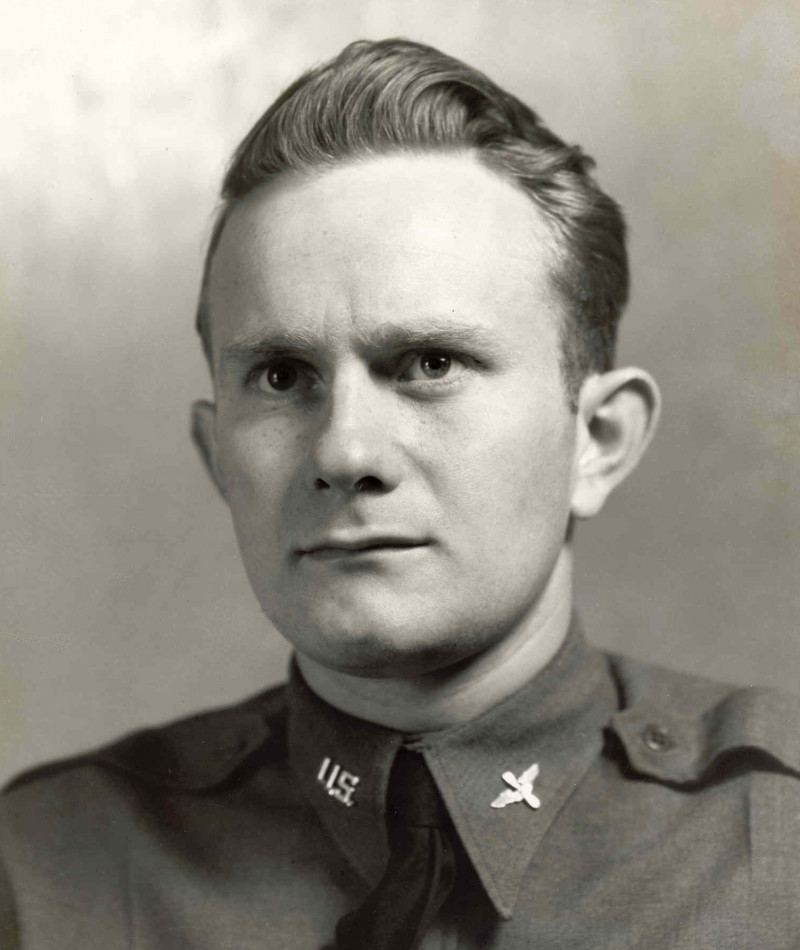
Maj. John L. Jerstad

On August 1, 1943, Maj. John Jerstad volunteered to lead his group in a dangerous mission, flying close to the ground to strike enemy oil refineries in Ploesti, Romania. He bravely led the formation into the attack while facing intense anti-aircraft fire. Three miles from the target, his aircraft was hit, badly damaged, and set on fire. Foregoing the opportunity for a forced landing, he pressed on, ensuring his bombs hit the target. The fire in his plane became too severe, leading to a crash in the target area. His sacrifice was recognized with the Medal of Honor for bravery above and beyond the call of duty.

Technology

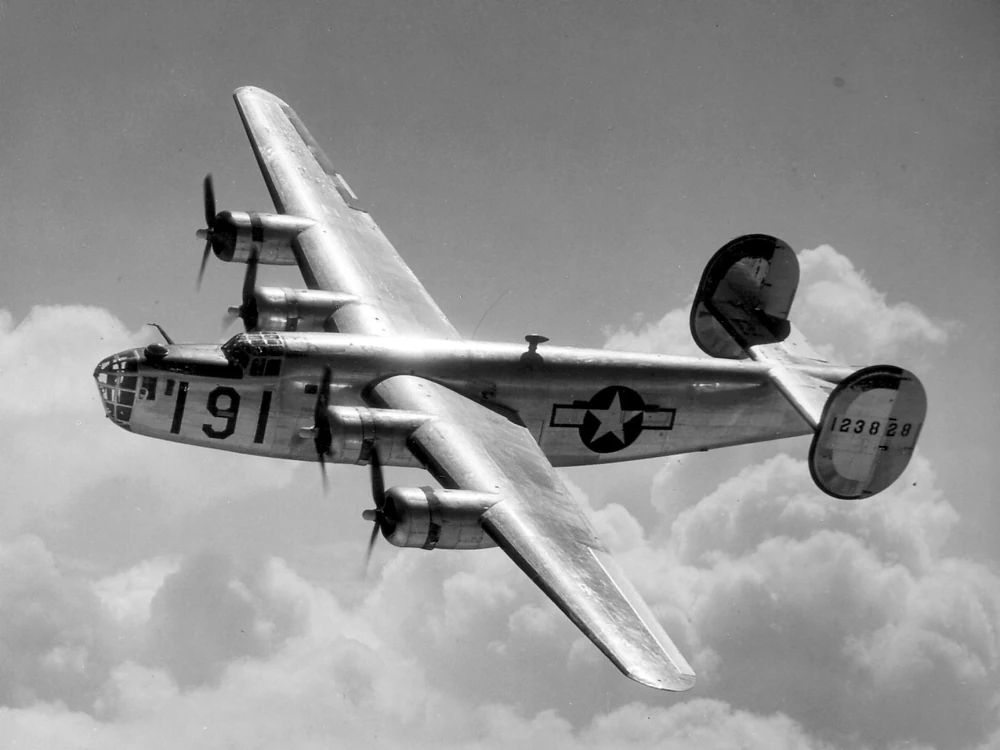
B-24 Liberator Bomber

The B-24 Liberator was produced in massive numbers—more than 18,000 by the end of World War II. It saw action in every theater and was in combat even before the U.S. officially joined the fight, thanks to Lend-Lease with Great Britain. The Liberator outperformed the older B-17, with its greater speed, higher altitude, and longer range, made possible by its larger fuel capacity and streamlined, low-drag wing design. It was the same aircraft flown by Maj. John Jerstad during the raid on the Ploesti oil refineries in Romania.

Battle

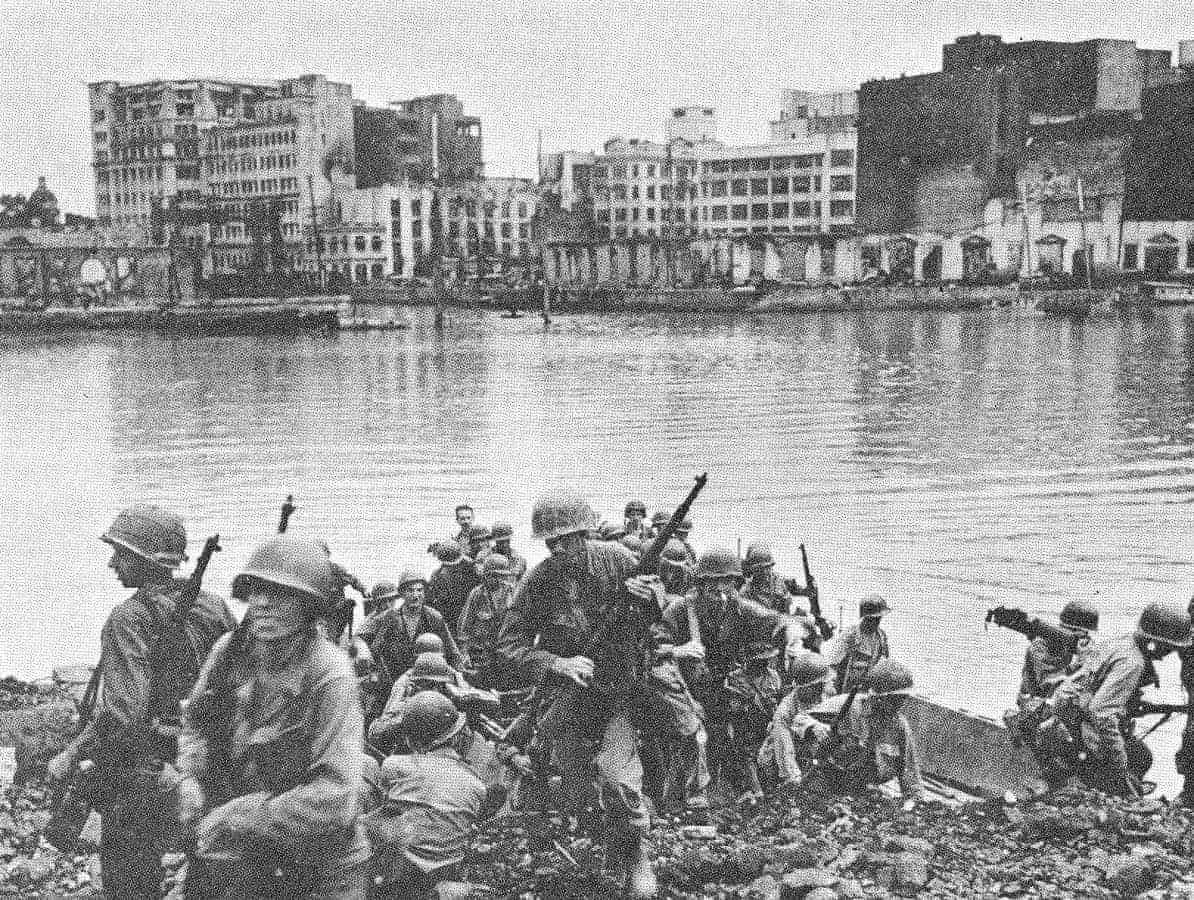
This naval battle ended Japan’s ability to wage large-scale naval operations. Japan’s Imperial Navy launched a major offensive, Operation Shō, to stop U.S. forces from liberating the Philippines. Despite some initial breakthroughs, Japan suffered significant losses in key engagements, including the Battle of Samar, where a smaller U.S. force held off a stronger Japanese fleet. By October 26, the Japanese fleet was in full retreat, securing the U.S. foothold in the Philippines.

Hero

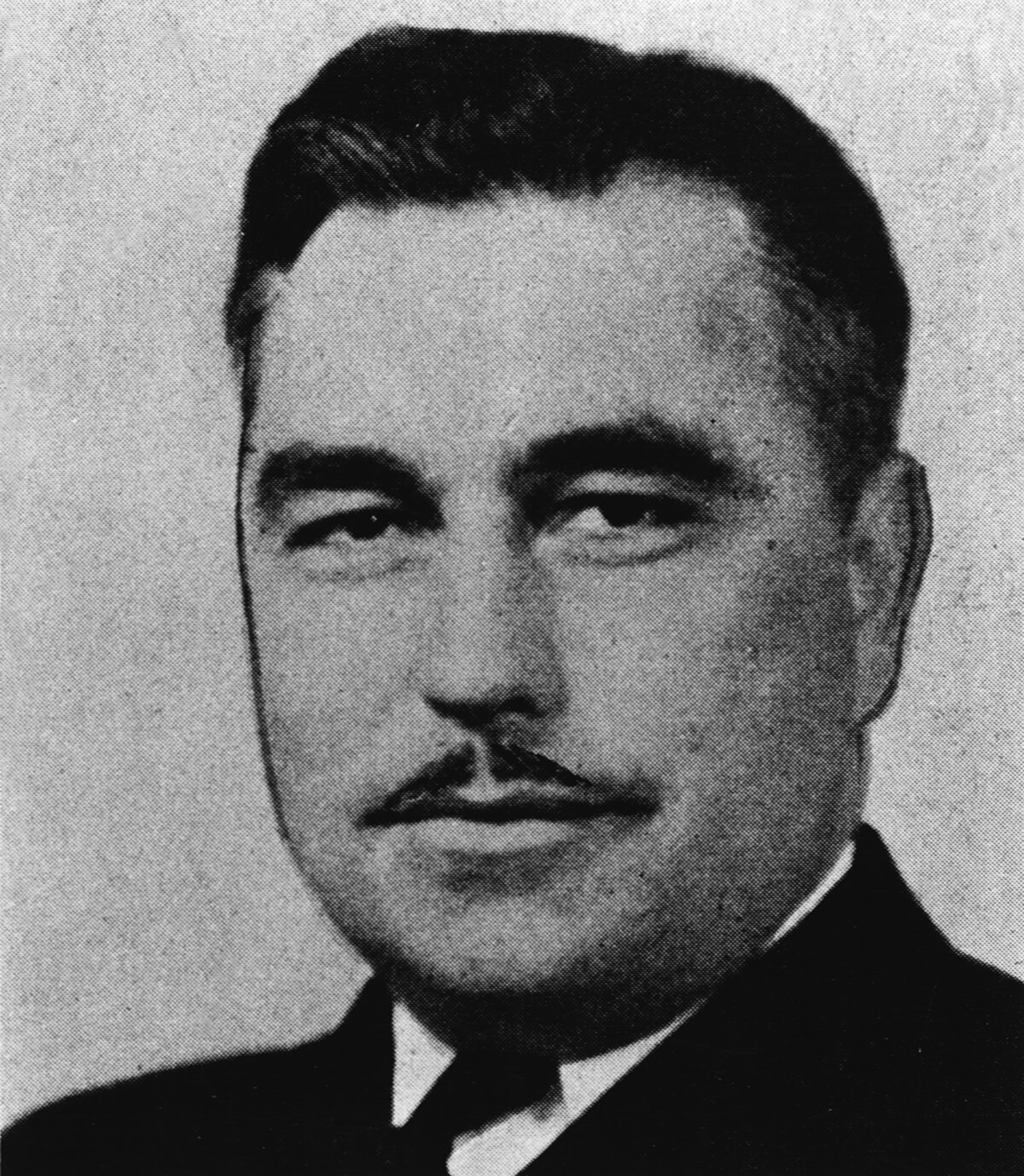
CMDR Ernest E. Evans, USN

In October 1944, during the Battle of Leyte Gulf, Commander Ernest E. Evans led the USS Johnston in a fight against Japanese forces. Despite being heavily outgunned, Evans laid a smoke screen and launched a torpedo attack, drawing fire away from vulnerable carriers. Though the USS Johnston was severely damaged and losing power, Evans continued to lead, manually steering the ship and fighting for three hours before it was sunk. Evans was posthumously awarded the Medal of Honor. He is memorialized at the Manila American Cemetery in the Philippines.

Technology

Radar

Radar (Radio Detection and Ranging) is a technology that uses radio waves to detect objects, measure their distance, and track their movement. Radar played a crucial role in the Battle of Leyte Gulf, significantly improving the U.S. Navy’s ability to detect and track enemy ships and aircraft, particularly during nighttime and poor visibility. Radar-assisted gunnery helped the U.S. forces achieve success in key engagements such as the Battle of Surigao Strait, where they destroyed a large portion of Japanese battleships.

Battle

The assault on Iwo Jima, codenamed Operation DETACHMENT, was planned in 1944 to support U.S. air operations against Japan during World War II. The island was believed to host a critical radar station and airfields useful for emergency landings and fighter escorts. 

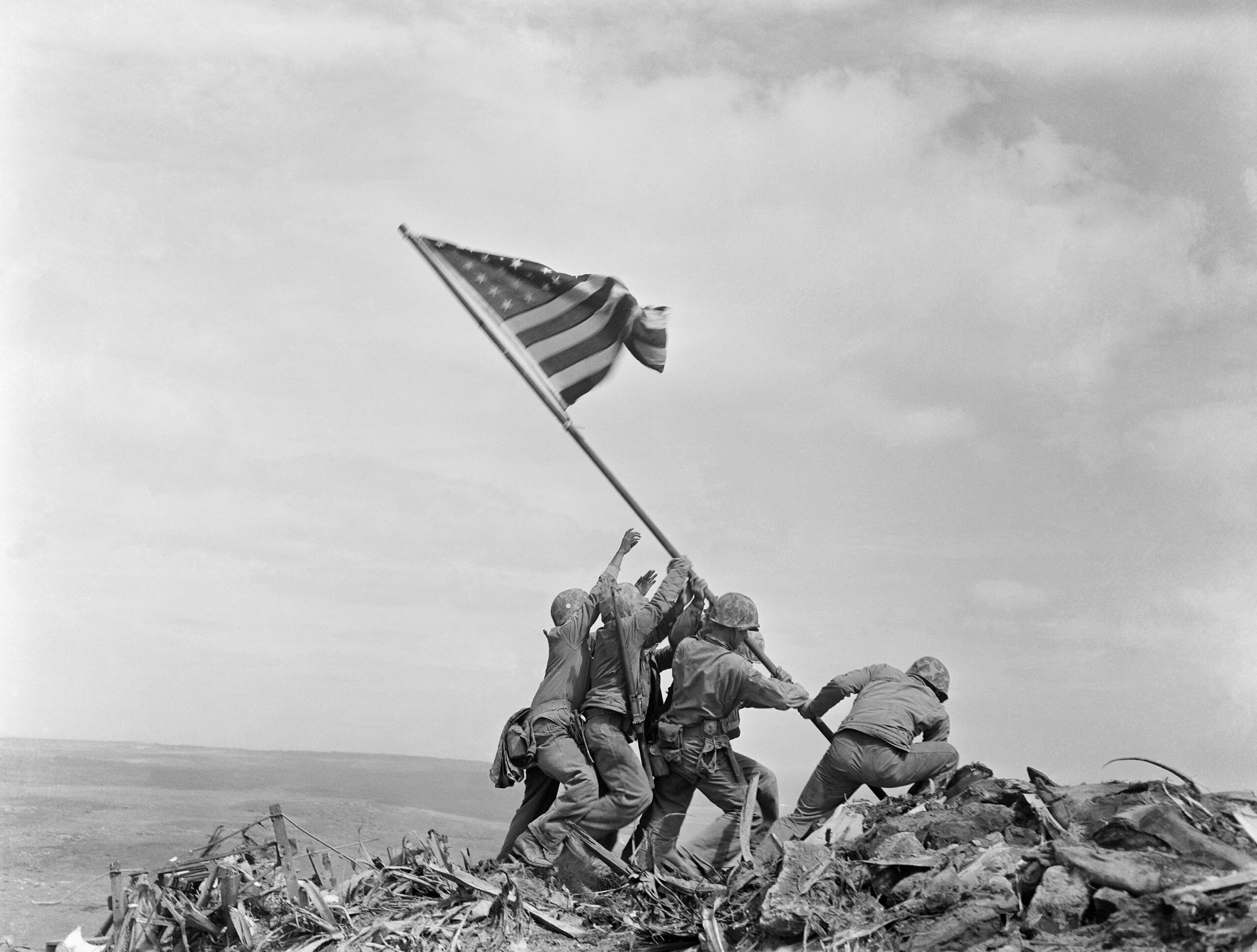
On February 19, 1945, 60,000 U.S. troops landed under heavy fire, struggling through soft volcanic sand that made movement difficult. The Japanese, under General Tadamichi Kuribayashi, had prepared extensive underground defenses. By February 23, the Marines captured Mount Suribachi, raising the U.S. flag in an iconic moment, though fighting across the island continued. After more than a month of intense combat, Iwo Jima was declared secure on March 26, 1945, though scattered resistance persisted.

The battle resulted in 6,871 Americans killed and 19,217 wounded. Nearly all 21,000 Japanese troops were killed. The bravery of those who fought at Iwo Jima was notable, with 27 Medals of Honor awarded. 

Hero

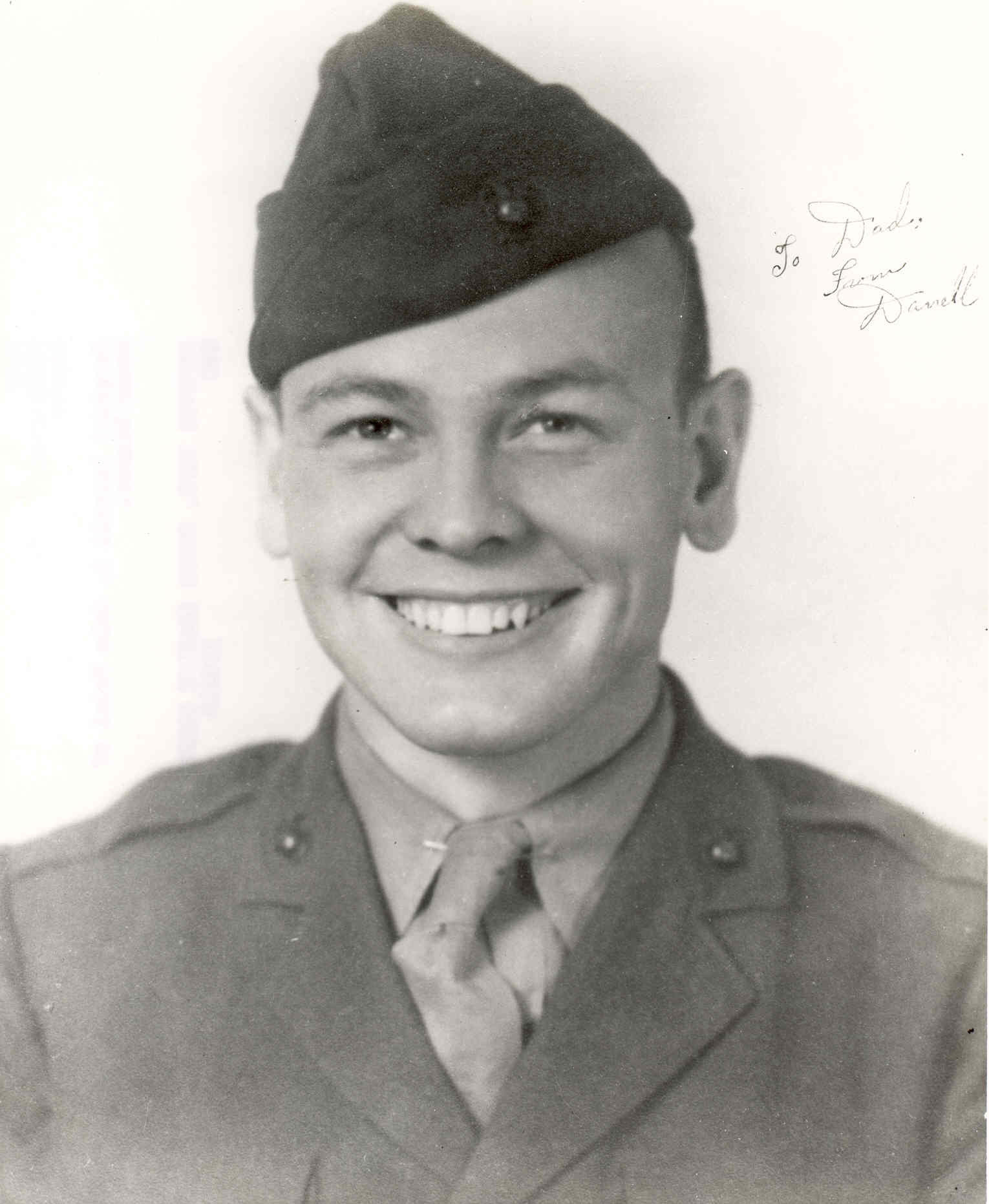
Sergeant Darrell Samuel Cole, USMC

On February 19, 1945, during the assault on Iwo Jima, Sgt. Darrell Cole led his machine-gun section through heavy enemy fire toward Airfield No. 1. As they advanced, he took out two enemy positions with grenades, clearing the way for his men.

When three Japanese pillboxes halted their advance, Sgt. Cole fired his last machine gun until it jammed. With only a pistol and one grenade, he charged the enemy alone, throwing his grenade before running back for more. He did this three times, completely destroying the enemy stronghold.

As he returned to his squad, an enemy grenade took his life, but his fearless actions allowed his company to push forward and take their objective.

Sgt. Cole’s bravery and sacrifice earned him the Medal of Honor. He remains an inspiration to all who serve.

Technology

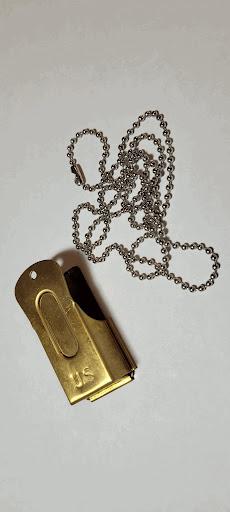
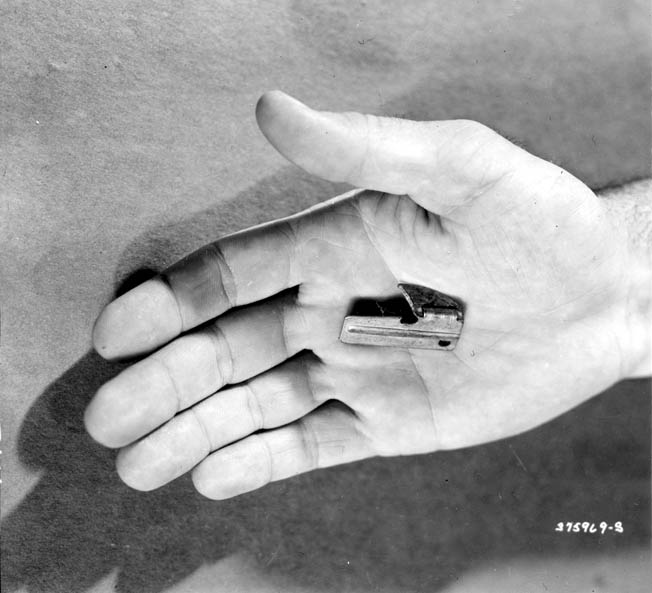
 P-38 Can Opener

A 1.5-inch piece of stamped metal doesn’t sound like much, but for WWII troops, the P-38 can opener was essential. Originally designed to open C-Rations (combat rations), it quickly became a Jack-of-all-trades used to strip wires, tighten screws, clean gear, and even mark measurements.

This little tool stuck around for more than 40 years in the U.S. military, proving that the simplest designs are often the most reliable.

Picture credit: Warfare History Network